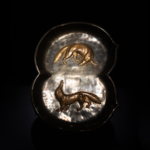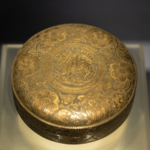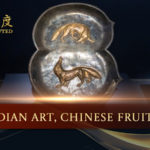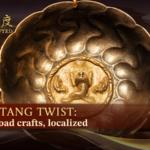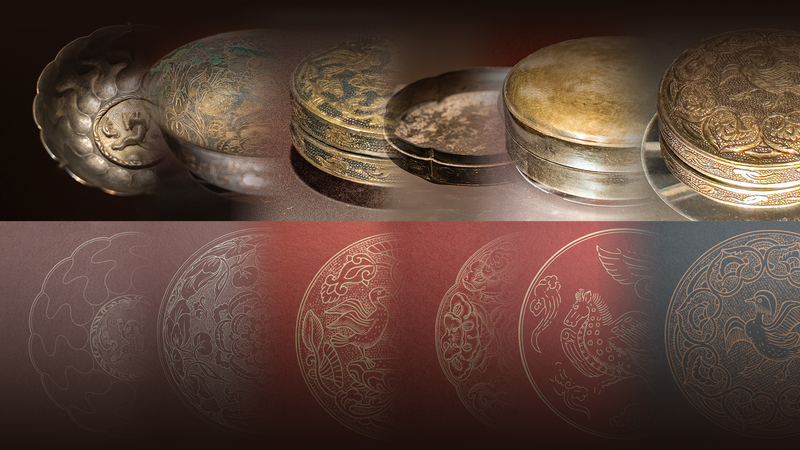
The glittering legacy of the Tang Dynasty (618-907 CE) extends far beyond its political and economic triumphs, reaching into the delicate artistry of its metalwork. Today, historians and art enthusiasts alike marvel at the gold and silver wares from this era, not just for their material value, but for the stories told by their decorative motifs. These intricate designs represent a fascinating chapter of cultural dialogue, where indigenous Chinese traditions gracefully intertwined with influences from across Asia.
Walking through a museum exhibit dedicated to Tang artifacts, one is immediately struck by the elegance of the patterns adorning bowls, cups, and hairpins. Floral scrolls, mythical beasts like dragons and phoenixes, and serene natural scenes are rendered with breathtaking precision. This was not mere decoration; it was a sophisticated visual language. The motifs symbolized auspicious wishes, social status, and a profound connection to the natural world, reflecting the values and affections of Tang society.
The distinctive style of these motifs emerged from the dynasty's position at the heart of the Silk Road. As goods, ideas, and people flowed into the cosmopolitan Tang capital, artisans absorbed aesthetic elements from Persia, Central Asia, and the Buddhist world. They then masterfully blended these foreign inspirations with deep-rooted Chinese artistic principles. The result was a unique metalworking tradition characterized by intricate elegance, symbolic depth, and unparalleled craftsmanship.
For contemporary audiences, from academics studying cross-cultural exchange to members of the global Asian diaspora seeking connections to their heritage, these artifacts are more than historical objects. They are tangible evidence of a time when openness and artistic synthesis led to pinnacle achievements. The blended beauty of Tang Dynasty gold and silver motifs continues to captivate, reminding us of Asia's enduring role as a cradle of artistic innovation and cultural fusion.
Reference(s):
cgtn.com