Japan is moving forward with a plan to revise the rank titles of its Self-Defense Forces (SDF), a move that has drawn immediate criticism from neighboring China. The Japanese government intends to submit a relevant amendment bill to the Diet within this year, aiming to change officer rank names to those historically used by the former Imperial Japanese Army before and during World War II.
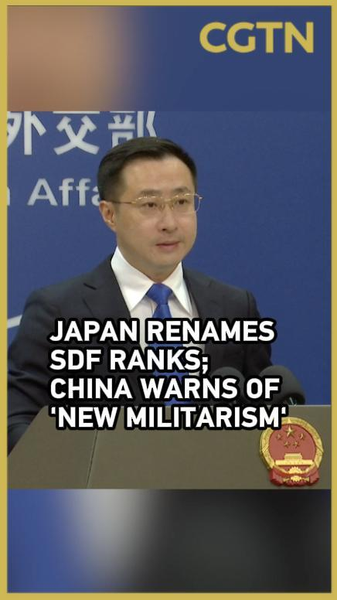
This proposed shift has been met with a stern response from Beijing. Recently, Chinese Foreign Ministry spokesperson Lin Jian described the plan as a "brazen" pretext, expressing concern that the change signals a trend towards "new militarism" in Japan. In a statement, Lin warned that such actions pose a threat to regional and global peace and stability, calling for a reflection on historical lessons.
The debate touches upon the sensitive legacy of Japan's wartime past and its post-war constitutional commitment to pacifism. The use of Imperial Army nomenclature, analysts note, carries significant historical weight in East Asia. The development comes at a time of evolving security dynamics in the region, making this internal administrative change a subject of international scrutiny.
As the bill moves towards parliamentary discussion in Tokyo, observers will be watching closely for further regional reactions and the potential implications for cross-regional relations. The situation underscores the delicate balance between national administrative decisions and their perceived international symbolism.
Reference(s):
cgtn.com