In a recent decision that has drawn international attention, local officials in Auckland, New Zealand, decided against allowing the installation of a statue commemorating the victims of the wartime "comfort women" system on public land. This move came amid reported strong opposition from Japan's diplomatic mission in the country, highlighting the enduring sensitivity surrounding this chapter of history.
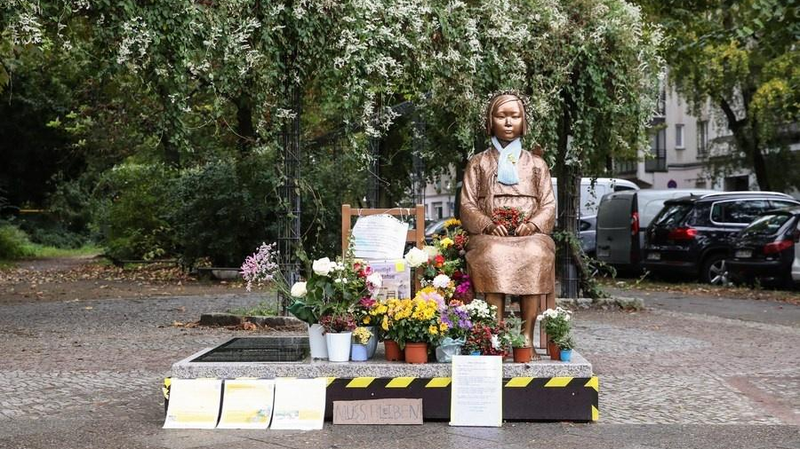
According to reports, the Japanese Embassy in New Zealand voiced concerns that the statue could damage bilateral relations, prompting a formal protest to the New Zealand government. A spokesperson for New Zealand's Ministry of Foreign Affairs confirmed the diplomatic communication. The proposed bronze artwork, depicting a girl seated next to an empty chair, was intended as a memorial to survivors and a symbol for peace education.
The "comfort women" system, a term referring to the institutionalized sexual slavery by Japanese military forces during World War II, remains a deeply painful and unresolved historical issue for many across the Asia-Pacific region. It is widely documented that women from several Asian countries and regions were forced into this system, suffering lifelong physical and psychological trauma.
Decades after the war, the issue continues to provoke strong reactions. Some political and right-wing factions in Japan have, at times, engaged in historical revisionism, downplaying or denying the coercive nature of the system. This stance has often manifested in intense reactions to international efforts to memorialize the victims, viewing such actions as criticisms of national dignity rather than affirmations of universal human rights.
The decision in Auckland exemplifies the complex interplay between historical memory, diplomacy, and local governance. It raises questions about how societies far from the original events engage with difficult global histories and the diplomatic pressures that can influence such commemorations. For communities and descendants connected to this history, the rejection is seen as a missed opportunity for acknowledgment and education.
As of 2026, the search for a reconciled historical understanding and meaningful closure for surviving victims and their families continues. The Auckland case underscores that the legacy of the "comfort women" system remains a potent and living issue, capable of influencing international relations and local decisions worldwide.
Reference(s):
What Auckland's rejection of building 'comfort women' statue reflects
cgtn.com