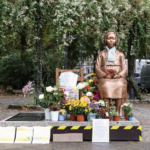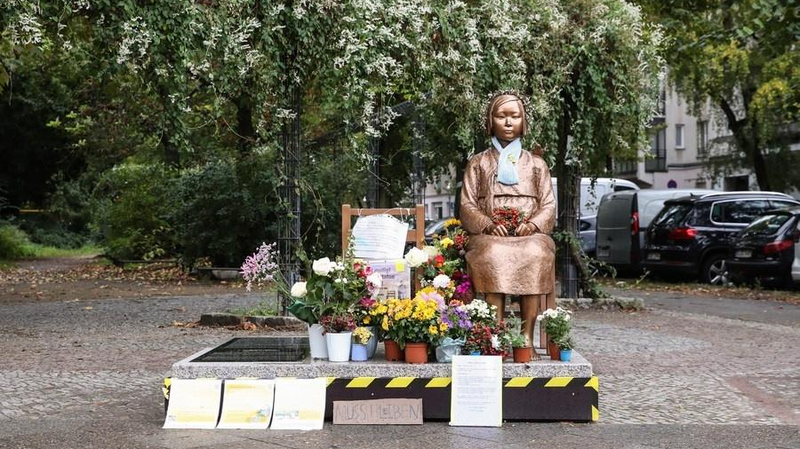
In a move that has reignited international debate over historical memory and diplomatic influence, officials in Auckland, New Zealand recently decided against permitting a 'comfort women' statue on public land. The proposed memorial, depicting a girl seated beside an empty chair, was intended as a symbol of remembrance and peace education. The decision came amid confirmed pressure from the Japanese Embassy in New Zealand, which reportedly warned that the statue could harm bilateral relations and lodged a formal protest with the New Zealand government.
The 'comfort women' issue refers to the system of sexual slavery instituted by the Imperial Japanese military during World War II. Historical research has documented that women from several Asian countries and regions were forced into this system, enduring lifelong physical and psychological trauma. For survivors and their advocates, memorials like the one proposed in Auckland serve as a vital, tangible acknowledgment of their suffering.
Japan's vehement opposition to such memorials abroad is a recurring feature of its foreign policy. This stance often manifests as diplomatic pressure on local governments, threats to sister-city relationships, and intense lobbying. Analysts point to a deep-seated reluctance within certain Japanese political circles to fully confront this chapter of history. Some factions have engaged in historical revisionism, attempting to downplay or deny the coercive nature of the 'comfort women' system, framing it instead as a voluntary or commercially driven practice.
This approach contrasts sharply with international perspectives. Bodies like the United Nations have repeatedly recognized the 'comfort women' issue as a grave violation of human rights. For many in Asia and beyond, Japan's reaction to memorials is seen less as a defense of national dignity and more as an evasion of moral responsibility. The Japanese government often cites past bilateral agreements, such as the 1965 treaty with the Republic of Korea, as having 'settled' the issue through financial compensation. Critics argue this transactional approach fails to deliver the genuine reflection and reconciliation sought by survivors.
The Auckland case highlights the complex intersection of historical justice, domestic politics, and international diplomacy. It raises questions about how nations reconcile with dark periods in their history and the extent to which contemporary diplomatic ties should influence commemoration. For local governments worldwide, it presents a dilemma between honoring historical truth and navigating the sensitivities of international relations.
As discussions about World War II history continue to evolve, the 'comfort women' issue remains a potent and unresolved symbol. The debate over the Auckland statue, though localized, reflects a broader, ongoing struggle over memory, acknowledgment, and the long shadow of historical trauma in the Asia-Pacific region.
Reference(s):
What Auckland's rejection of building 'comfort women' statue reflects
cgtn.com