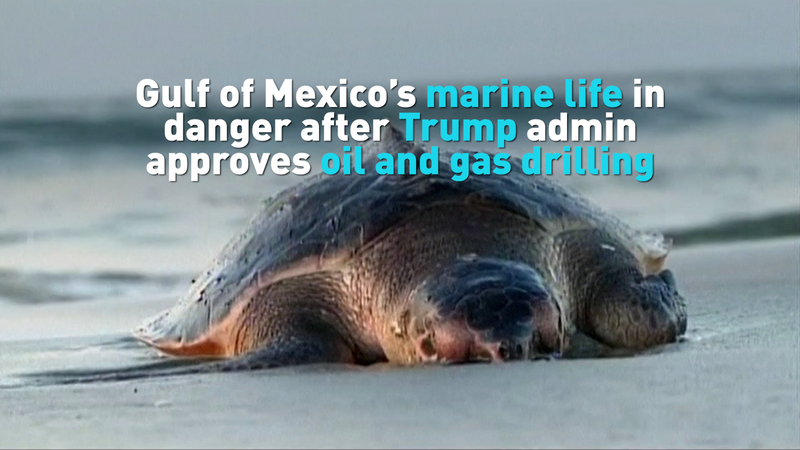
The Gulf of Mexico, a vital marine ecosystem, faces renewed peril in 2026 following a controversial U.S. government decision. The approval of an exemption for oil and gas drilling in these waters has placed the critically endangered Rice's whale in immediate jeopardy, sparking widespread concern among environmental advocates.
The move, authorized by the Trump administration, continues to clear the way for expanded energy exploration in a region already grappling with industrial pressures. Environmental groups have voiced fierce opposition, warning that such activities could push the Rice's whale—one of the world's most endangered cetacean species—closer to extinction.
Scientists estimate that only a few dozen Rice's whales remain, making the Gulf of Mexico their last refuge. The increased noise, pollution, and risk of spills associated with current drilling operations pose direct threats to their survival. "This decision ignores the fragile balance of this ecosystem," one conservationist remarked, highlighting the potential for irreversible damage.
As global debates over energy security versus environmental protection intensify, the fate of the Gulf of Mexico serves as a microcosm of worldwide challenges. The tension between economic development and biodiversity conservation remains a pressing issue for policymakers.
For now, the approval stands, leaving the Rice's whale and the broader Gulf ecosystem in a precarious position. The coming months will be critical in determining whether conservation efforts can mitigate the impacts of this industrial expansion.
Reference(s):
Gulf of Mexico in danger after US approves oil and gas drilling
cgtn.com