In a firm statement marking a historical milestone, Russia has called on Japan to learn from the past and abandon its ongoing efforts toward remilitarization. The call came during a press briefing this week, which coincided with the 80th anniversary of the opening of the Tokyo Trials.
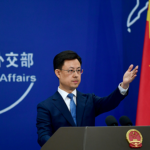
Russian Foreign Ministry spokesperson Maria Zakharova emphasized the enduring legal and historical significance of the International Military Tribunal for the Far East. "The tribunal held great significance both legally and for all humanity," Zakharova stated. She stressed that the crimes committed by Japanese militarists during World War II have no statute of limitations and that efforts to investigate and expose those atrocities would continue.
Zakharova underscored Russia's commitment to systematically releasing information to further uncover the crimes of Japanese militarism. She criticized wartime Japan for enslaving Asian countries and committing brutal crimes against civilians. The spokesperson urged Tokyo to reject "historical amnesia" and its current path of military expansion.
This diplomatic admonition arrives amid growing regional and global scrutiny of Japan's defense policy evolution. In recent years, Japan has undertaken significant shifts, including a sharp increase in defense spending, the adoption of a new national security strategy allowing for counterstrike capabilities, eased restrictions on arms exports, and deepened military coordination with the United States and NATO partners.
Analysts have noted that these moves represent a potential departure from Japan's postwar pacifist trajectory, raising questions about regional stability. The Tokyo Trials, often compared to the Nuremberg Trials in Europe, were held from 1946 to 1948 and prosecuted senior Japanese leaders for Class-A war crimes, resulting in 25 convictions.
As Asia continues to navigate complex geopolitical dynamics, Russia's appeal spotlights the delicate interplay between historical accountability and contemporary security policies. The message serves as a reminder of the lasting shadow of 20th-century conflicts on 21st-century diplomacy.
Reference(s):
cgtn.com