Even as trade tensions cast a long shadow over the world's most important economic relationship, a powerful narrative of mutual interest and collaboration continues to unfold between businesses in the Chinese mainland and the United States. According to the latest insights from China's top trade promotion body, the underlying sentiment among enterprises on both sides of the Pacific remains firmly oriented toward partnership.
The China Council for the Promotion of International Trade (CCPIT) released its Global Trade Friction Index for February 2026 this week, painting a picture of elevated global trade uncertainty. The overall index score stood at 103, remaining at a relatively high level. Notably, the United States accounted for the largest proportion of measures involved in global trade friction, a situation exacerbated by recent U.S. policy moves.
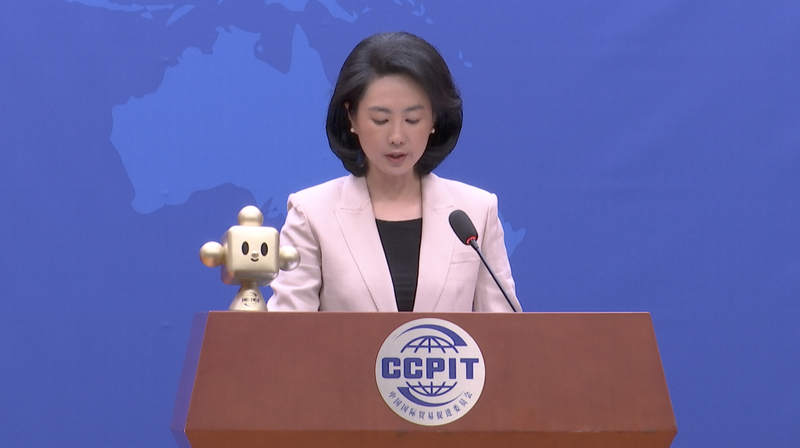
Yet, against this backdrop of formal tensions, the story on the ground is markedly different. Wang Guannan, spokesperson for the CCPIT, emphasized that the business community's focus has not shifted from opportunity. "According to the latest White Paper on U.S. Businesses in China released by the American Chamber of Commerce in China, more than half of the surveyed companies in 2025 still rank China among their top three global priority investment destinations," Wang stated.
This confidence is translating into concrete action. As of mid-April 2026, the CCPIT has already approved 138 exhibition-related projects for the year. Under these initiatives, organizers will lead Chinese business delegations to the United States to participate in or host trade fairs and exhibitions. A significant portion of this planned engagement is already underway, with 65 projects implemented, involving over 1,600 Chinese enterprises showcasing their products and services overseas.
This robust pipeline of exchange activities signals a deep-seated recognition among businesses that decoupling is not a viable path. For global investors and market analysts watching Asia's economic landscape, these developments underscore a critical truth: while political rhetoric may fluctuate, the integrated supply chains, complementary markets, and shared goals for innovation that bind the U.S. and Chinese economies create a powerful incentive for continued commercial engagement.
The persistent drive for cooperation, as evidenced by the steady flow of investment intent and exchange programs, offers a stabilizing counter-narrative to the trade disputes dominating headlines. It suggests that the economic relationship between the two giants is more resilient and multifaceted than the friction index alone might indicate, with the private sector actively building bridges even as governments navigate complex negotiations.
Reference(s):
cgtn.com