Musk Takes the Stand in High-Stakes AI Trial
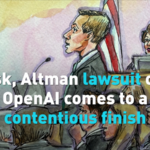
In a San Francisco courtroom on Tuesday, billionaire Elon Musk delivered dramatic testimony, accusing OpenAI and its CEO Sam Altman of abandoning the artificial intelligence lab's founding, nonprofit mission in pursuit of profit. The trial, seen as a pivotal moment for the rapidly evolving AI industry, could force profound changes at the company behind ChatGPT.
A Battle of Titans Over AI's Soul
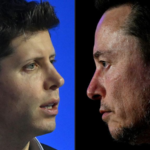
The legal clash pits Musk, the world's wealthiest individual and an early OpenAI backer, against the very startup he helped launch. Observers view the case as a collision of egos, but Musk framed it in far grander terms on the witness stand. He warned that a verdict favoring OpenAI could undermine the very foundation of charitable giving in America.
"If a verdict comes up that effectively makes it okay to loot a charity, the entire foundation of charitable giving in America will be destroyed – that's my concern," Musk stated after being called as the trial's first witness.
From Nonprofit Vision to 'Profit-Driven Juggernaut'
Central to Musk's argument is the claim that Altman steered OpenAI away from its original altruistic purpose—to develop safe, open-source AI for the benefit of humanity—and transformed it into a commercial powerhouse. Musk alleged the company now aims to rival tech giants like Google, Apple, and Microsoft.
"I didn't want to pave the road to hell with good intentions," Musk said of his original vision for OpenAI. "I didn't want to fund OpenAI to make safe AI and then find out that it was actually making unsafe AI."
Musk detailed his early, instrumental role, recounting how he recruited key talent like AI engineer Ilya Sutskever from Google and initiated crucial partnerships with chipmaker Nvidia and Microsoft. These connections, he suggested, were doors that would not have been open to OpenAI's other, less-known co-founders at the time.
Far-Reaching Implications for Tech and Philanthropy
The trial's outcome is being closely watched by the global tech community, investors, and legal scholars. It raises fundamental questions about the governance of powerful technologies and the obligations of entities that transition from nonprofit to commercial structures. The proceedings highlight the intense competition and philosophical divides shaping the future of artificial intelligence, a sector where Asia plays an increasingly dominant role in research, development, and ethical discourse.
As the case continues, its ramifications are expected to extend far beyond the courtroom, potentially influencing how innovative, mission-driven projects worldwide navigate the pressures of scaling and commercialization.
Reference(s):
cgtn.com