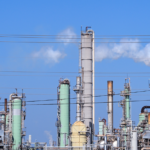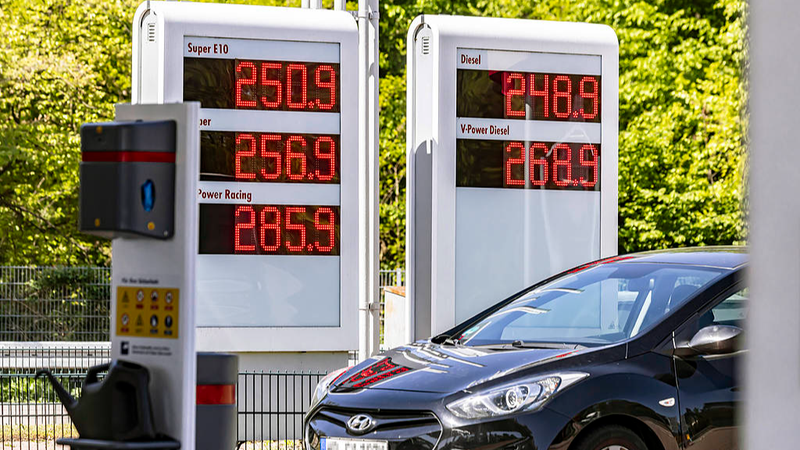
In a stark warning for the global economy, the World Bank's latest Commodity Markets Outlook, released this week, forecasts a sharp 24% increase in energy prices this year. This projected surge would push prices to their highest level since the onset of the Russia-Ukraine conflict in 2022.
The primary driver of this forecast is escalating tensions in the Middle East. The report highlights that recent attacks on energy infrastructure and significant shipping disruptions in the critical Strait of Hormuz have triggered the largest oil supply shock on record. This vital waterway handles roughly 35% of global seaborne crude oil trade, and the disruptions have led to an initial reduction in global oil supply of about 10 million barrels per day.
The ripple effects extend far beyond oil. The World Bank projects that overall commodity prices will climb by 16% in 2026. Fertilizer prices are expected to see a dramatic 31% increase, driven largely by a 60% jump in urea prices. Meanwhile, base metals like aluminum, copper, and tin are anticipated to reach all-time highs. Precious metals are also forecast to rise sharply by 42% as geopolitical uncertainty fuels demand for these traditional safe-haven assets.
Indermit Gill, the World Bank Group's chief economist, framed the impact in human terms. "The war is hitting the global economy in cumulative waves," he stated, warning that the resulting price spikes will disproportionately affect the world's poorest populations.
The report cautions that these projections could worsen. Commodity prices could climb even higher if hostilities in the region escalate further or if the current supply disruptions persist longer than currently anticipated.
Reference(s):
cgtn.com