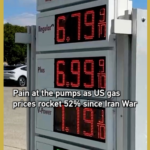
The U.S. naval blockade in the Strait of Hormuz, initiated this week, has escalated from a regional security concern to a full-blown threat to global food systems. While energy markets reacted immediately with Brent crude prices surging past $100 per barrel, analysts warn the real crisis lies in cascading effects on agriculture and vulnerable populations.
From Oil Fields to Wheat Fields
Modern food production relies on energy at every stage – from fertilizer manufacturing to harvest machinery and global transportation. With 20% of the world's oil supply flowing through Hormuz, this choke point's disruption has already caused fertilizer prices to spike 40% this year according to recent commodity reports.
The Hidden Tax on Hunger
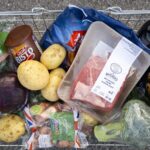
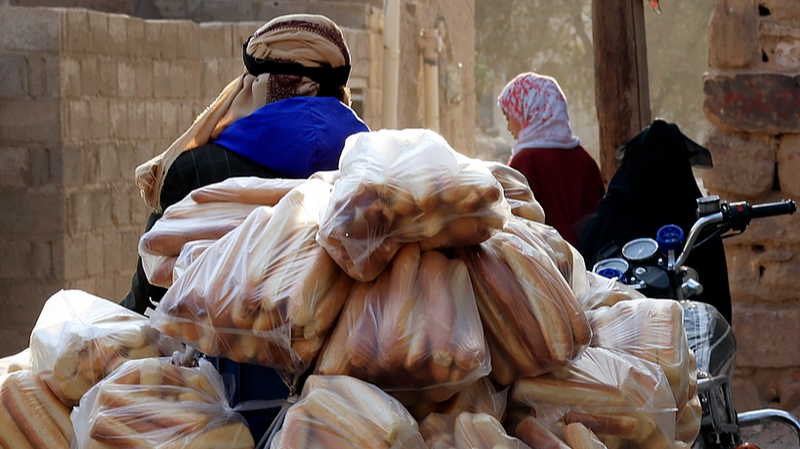
Every 10% increase in diesel prices adds $1.50 to the cost of producing an acre of corn, USDA data shows. For shipping routes critical to global grain trade – like the Black Sea-to-Africa corridor – fuel now accounts for 60% of transport costs. These increases disproportionately impact food-importing nations like Egypt and Bangladesh, where bread prices have risen 22% since January 2026.
Developing Nations in the Crosshairs
World Food Programme director Arif Husain warns: "When energy and food crises collide, it creates famine mathematics." Emerging economies facing currency devaluations now must choose between fuel subsidies and grain imports. Malawi and Pakistan have already activated emergency grain reserves this month.
As the blockade enters its second week, all eyes remain on diplomatic channels to prevent this geopolitical flashpoint from becoming a humanitarian catastrophe.
Reference(s):
cgtn.com