
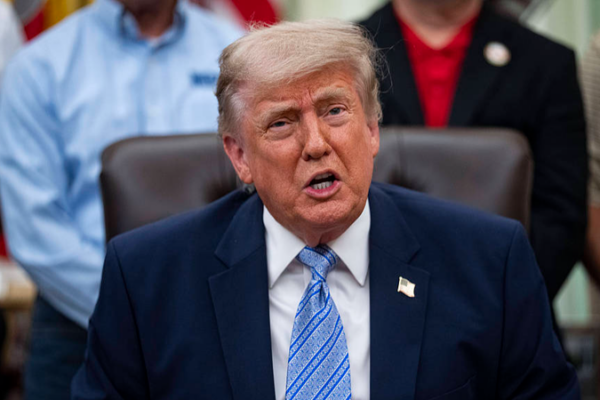
US-Iran Nuclear Deadlock: Global Oil Markets Braced for Danger Zone as Tensions Rise
US and Iran clash over enriched uranium as Pakistan mediates. Global oil markets face a “danger zone” in mid-2026 due to the blockage of the Strait of Hormuz.
News & Insights Across Asia
US and Iran clash over enriched uranium as Pakistan mediates. Global oil markets face a “danger zone” in mid-2026 due to the blockage of the Strait of Hormuz.

The European Commission warns of slower GDP growth and rising inflation for 2026, as energy shocks and geopolitical tensions weigh on the EU’s economic stability.
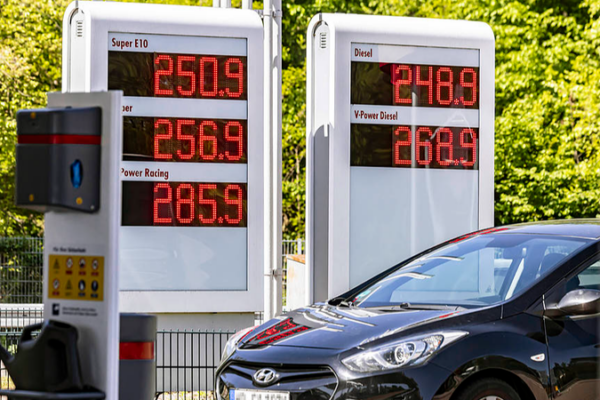
The World Bank warns of a 24% surge in energy prices in 2026 due to Middle East tensions and supply shocks, with broad impacts across global commodity markets.
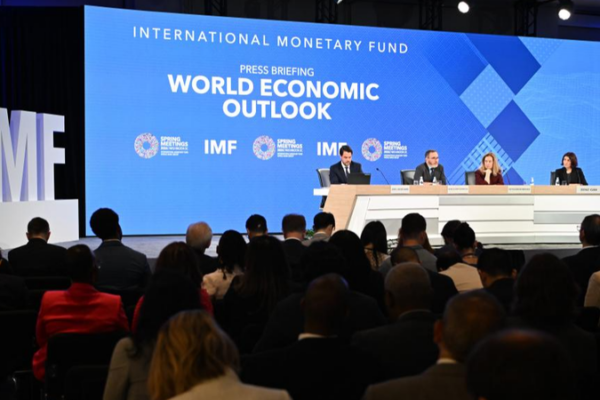
IMF and World Bank diverge on 2026 growth projections as Middle East tensions push oil prices toward $100/barrel, testing global economic resilience.
IMF revises 2026 global growth down to 3.1% due to Middle East conflict, warns of inflation risks and economic instability.
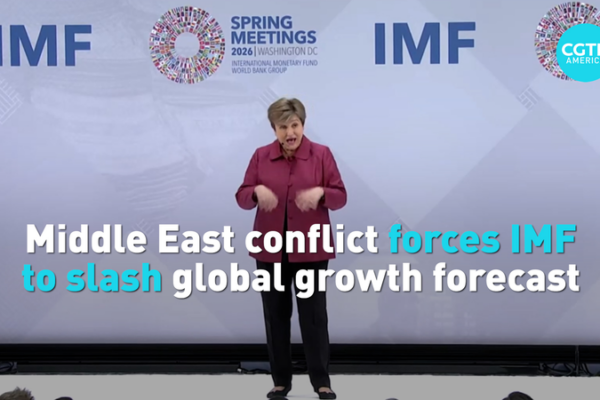
The IMF revises global growth projections downward amid Middle East tensions, signaling economic challenges ahead. Asia’s markets brace for impact as funding needs rise.

ADB warns prolonged Middle East conflict could cut Asia-Pacific growth to 4.7% in 2026, with inflation potentially doubling amid energy market disruptions.
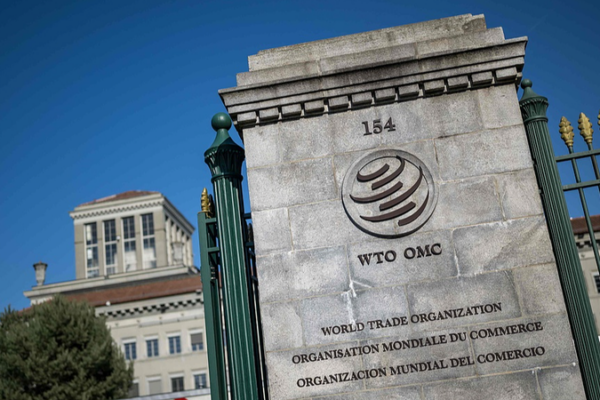
WTO projects global trade growth to slow to 1.9% in 2026 amid Middle East tensions, with energy price shocks threatening further economic strain.
US economic growth forecasts face downward revisions as high inflation, rising unemployment, and slowing productivity create complex challenges for policymakers and global markets.
UBS predicts 3% global economic growth in 2026 as tariff impacts subside, while warning of persistent risks from US policy uncertainties.

The World Trade Organization projects a 2.7% increase in global goods trade in 2024, slightly higher than previous estimates.

Many international institutions have raised their projections for China’s 2024 economic growth. The Asian Development Bank says China will remain the world’s leading growth engine.
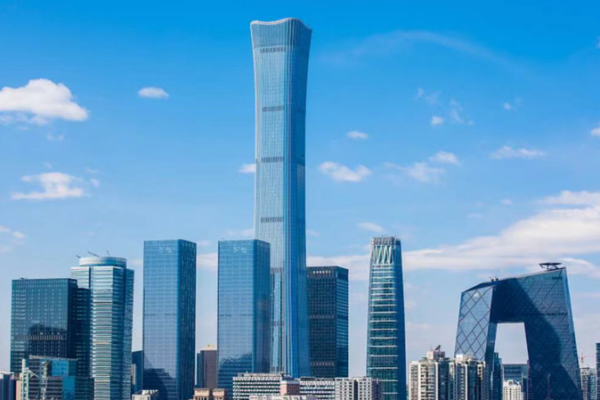
International organizations like the IMF and World Bank have raised their forecasts for China’s economic growth in 2024, expressing optimism about the country’s robust economic prospects.

The IMF has raised China’s 2024 economic growth forecast to 5%, highlighting strong first-quarter data and policy measures. The upward revision signals confidence in China’s economic trajectory.
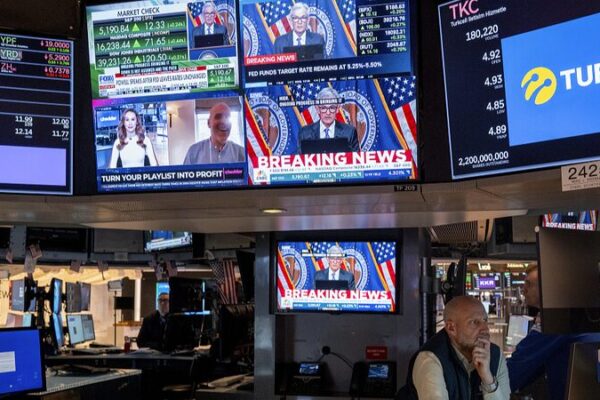
IMF projects slow but steady global growth in its World Economic Outlook, highlighting cautious optimism amid geopolitical tensions and the need for collaborative solutions.
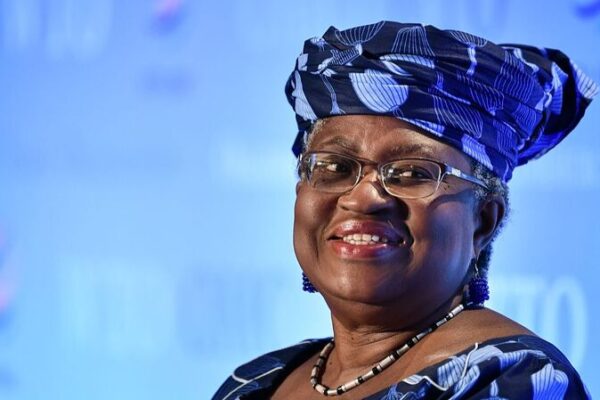
The World Trade Organization forecasts a 2.6% rebound in global merchandise trade in 2024 after a contraction in 2023, attributing the growth to easing inflation and rising real incomes boosting consumption.

Economist Li Daokui of Tsinghua University forecasts China’s GDP growth to reach 5.7 to 5.8% in 2024, citing strong savings rates, extensive R&D capabilities, and a vast consumer market as key drivers.