High-level diplomatic and military exchanges between Russia and the Democratic People's Republic of Korea (DPRK) have intensified in recent days, signaling a deepening of strategic ties between the two nations. This flurry of activity provides a window into the evolving geopolitical landscape in Northeast Asia.
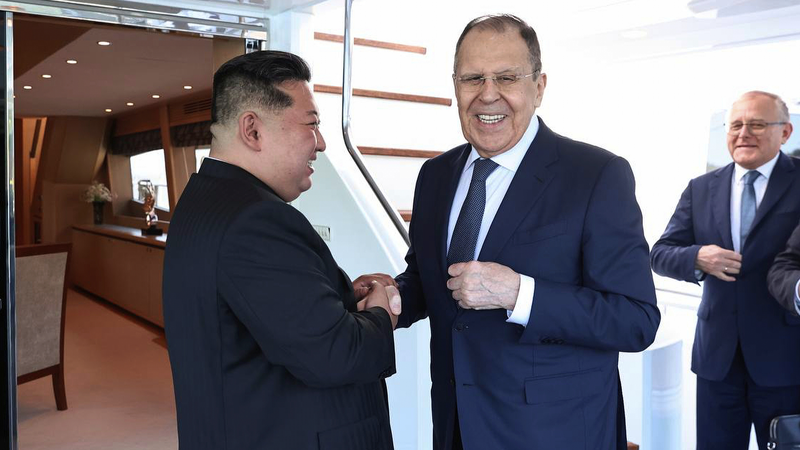
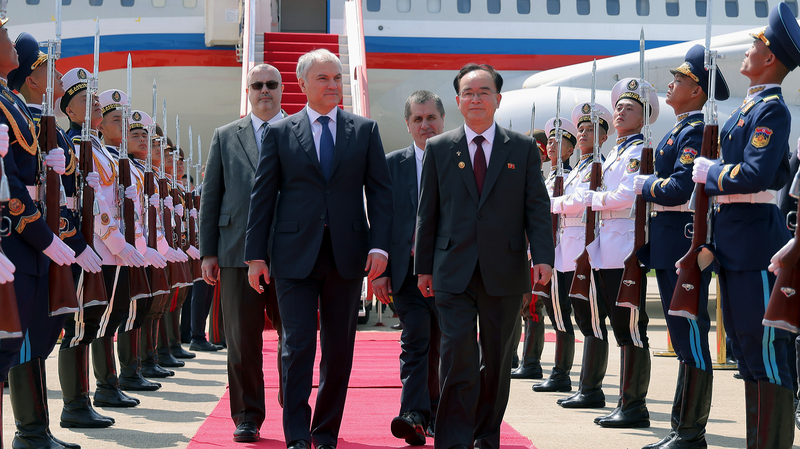
The latest development saw Vyacheslav Volodin, chairman of the State Duma, Russia's lower parliamentary house, meet with Kim Jong Un, president of the DPRK's State Affairs, in Pyongyang. According to reports, Volodin conveyed a personal message of greetings from Russian President Vladimir Putin and expressed gratitude for the DPRK's support in the context of the conflict in Ukraine's Kursk region.
Simultaneously, Russian Defense Minister Andrei Belousov arrived in the DPRK capital for a working visit. The Russian Defense Ministry stated he is scheduled to hold talks with the DPRK's senior leadership and military officials and participate in ceremonial events.
A focal point of the diplomatic engagement was the opening of a new memorial in Pyongyang honoring DPRK soldiers who lost their lives in the Ukraine conflict. Volodin was reported to be in attendance for the ceremony. In a separate gesture, President Putin sent a telegram to Kim Jong Un marking the memorial's opening, thanking DPRK troops and expressing confidence in further strengthening the bilateral strategic partnership.
Analysts observing the region note that these coordinated high-level visits underscore a concerted effort to bolster political and military coordination. For global observers and business professionals tracking Asian affairs, understanding the ramifications of this closer alignment is crucial, as it influences regional security dynamics and international relations.
The developments also hold significance for the broader Asian diaspora and academic communities interested in the complex interplay of alliances on the continent. The increased frequency of top-tier dialogue suggests a relationship moving beyond symbolic gestures towards more substantive, long-term cooperation.
Reference(s):
cgtn.com