As the world marks World Malaria Day this year, a renewed sense of global solidarity paints a hopeful picture: a malaria-free future is no longer a distant dream, but a tangible goal within our grasp. The annual observance on April 25 serves as both a stark reminder of the disease's devastating toll and a rallying cry for intensified collaboration.
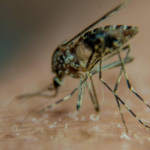
Malaria, an ancient scourge transmitted through mosquito bites, continues to challenge global health systems. Characterized by cycles of high fever, chills, and sweating, the parasitic infection can lead to severe complications and death if not promptly treated.
The most recent comprehensive data, from 2024, underscores the scale of the challenge. The World Health Organization (WHO) reported an estimated 282 million cases and 610,000 deaths across approximately 80 countries. The African region bears the heaviest burden, accounting for about 95% of global cases and fatalities.
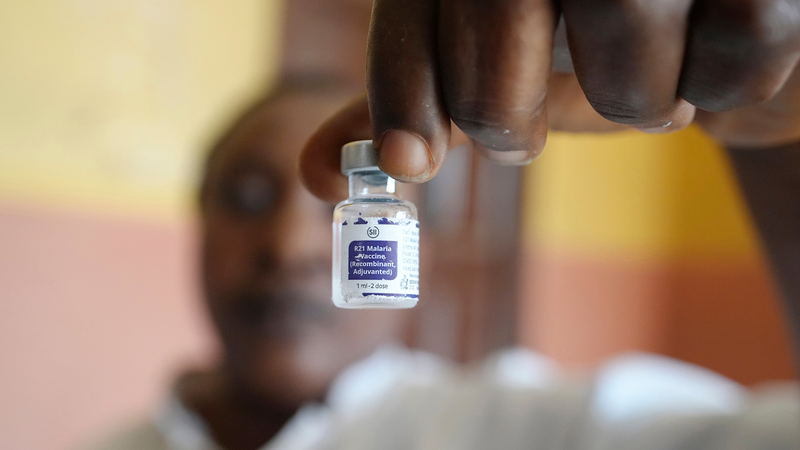
Yet, the narrative is shifting from one of despair to determined action. This year's World Malaria Day theme, "Harnessing Innovation to Reduce the Malaria Disease Burden and Save Lives," highlights the critical role of new tools, strategies, and, most importantly, international partnership. Significant progress in vaccine development, novel mosquito control methods, and improved diagnostic tools are converging to create a powerful arsenal against the parasite.
The fight against malaria has evolved into a truly global endeavor, uniting governments, research institutions, philanthropic organizations, and communities. In Asia, nations are sharing expertise and resources to combat the disease in endemic areas, contributing to regional and global elimination targets. Cross-border initiatives and knowledge exchange between Asian countries and their African counterparts are strengthening surveillance and response mechanisms.
Health experts emphasize that defeating malaria requires a sustained, multi-faceted approach. This includes ensuring equitable access to prevention (like insecticide-treated nets), prompt diagnosis, effective treatment, and continued investment in research and health system strengthening. The collective action witnessed this year demonstrates that when nations unite behind a common health goal, even the most persistent adversaries can be overcome.
The path to eradication is complex and demands unwavering commitment, but the shared resolve evident this World Malaria Day offers a powerful testament to what humanity can achieve together. The dream of a malaria-free world is being fueled by science, solidarity, and a common purpose.
Reference(s):
Malaria-free world no longer a dream as fight unites nations
cgtn.com