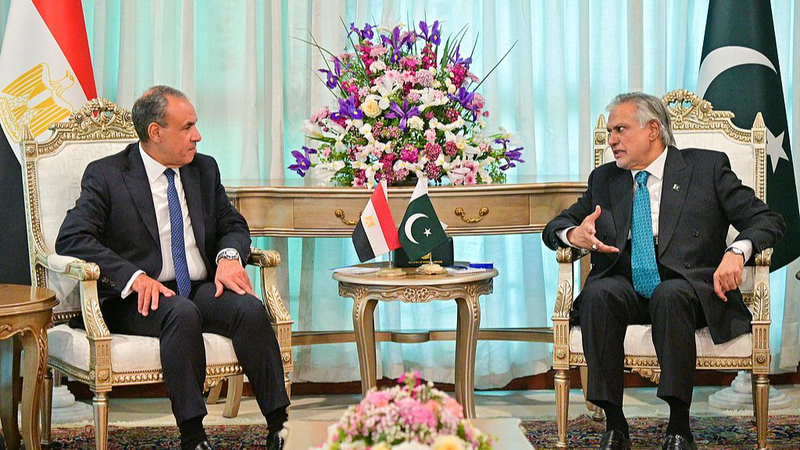
Regional powers Egypt and Pakistan have intensified diplomatic coordination aimed at supporting fragile negotiations between the United States and Iran, as concerns over Middle Eastern stability grow. In a high-level telephone conversation on Friday, April 24, foreign ministers from both nations discussed pathways to de-escalation and the critical need for sustained dialogue.
Egyptian Foreign Minister Badr Abdelatty and his Pakistani counterpart, Deputy Prime Minister and Foreign Minister Ishaq Dar, reviewed the prospects for advancing the diplomatic track between Washington and Tehran. Officials expressed cautious optimism ahead of an anticipated second round of talks, acknowledging that progress could be pivotal for the region.
“Dialogue and negotiation remain the only viable route to resolving this crisis,” was the shared sentiment echoed by both ministers, who firmly rejected military escalation as a solution. They emphasized that successful negotiations could help consolidate ceasefire arrangements, reduce the risk of further escalation, and create conditions for a broader settlement to ongoing conflicts.
A key focus of the discussion was the security of strategic waterways. Minister Abdelatty highlighted the paramount importance of safeguarding freedom of international navigation—a clear reference to regional chokepoints like the Strait of Hormuz, which have been affected by recent tensions. He also underscored the necessity of addressing the security concerns of Gulf Arab states, which remain particularly vulnerable to any flare-up between Iran and the U.S.
This consultative call is part of a broader pattern of diplomacy, as both Cairo and Islamabad seek to leverage their influence to play a stabilizing role amid intensifying regional uncertainty. The engagement signals a wider, quiet push among key regional actors to keep communication channels open, prevent further deterioration, and reinforce the primacy of diplomacy at a volatile time.
As the U.S.-Iran negotiations remain delicate, the coordinated stance of Egypt and Pakistan adds significant weight to the diplomatic efforts. Their involvement reflects a growing consensus that regional stability hinges on a peaceful resolution, and that all parties must work collectively to steer tensions toward a sustainable political settlement.
Reference(s):
Egypt, Pakistan coordinate on US-Iran talks as momentum grows
cgtn.com