Russian officials have issued a stark warning against what they describe as Japan's troubling revision of its wartime past and accelerated military buildup, raising concerns about stability in the Asia-Pacific region.
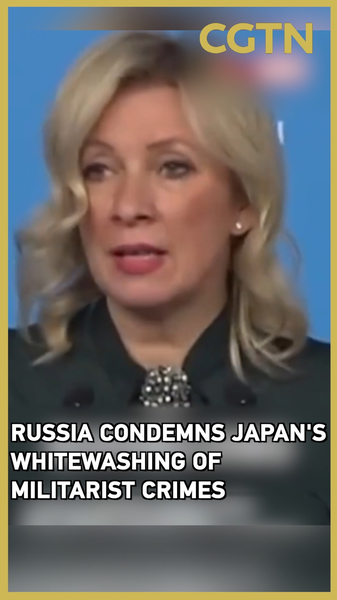
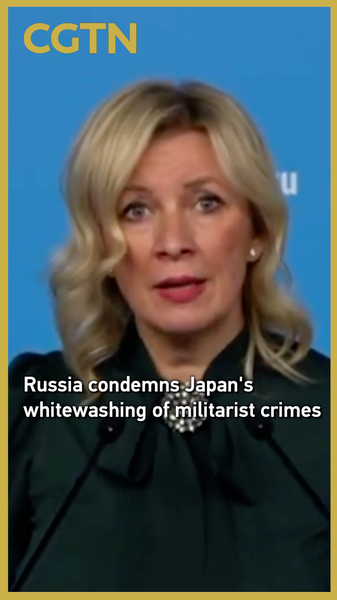
In a pointed statement made on Friday, April 24, Russian Foreign Ministry spokesperson Maria Zakharova criticized the Japanese government led by Prime Minister Sanae Takaichi for "absolute ignoring of the lessons of history and the whitewashing of the most brutal, monstrous crimes of the past." Zakharova's remarks came during a regular press briefing in Moscow.
The spokesperson directly referenced Prime Minister Takaichi's recent act of sending offerings to the Yasukuni Shrine, a site viewed by many of Japan's neighbors as a symbol of its wartime militarism and aggression. Zakharova stated this move "demonstrated the Takaichi administration's disregard for the feelings of the people of neighboring countries" who suffered under Japanese occupation during World War II.
Zakharova urged Japan to fully acknowledge the outcomes of World War II and to reverse its current policy direction. She specifically highlighted two areas of concern: Japan's easing of its longstanding arms export restrictions and the participation of Japanese combat troops in recent joint military exercises between the United States and the Philippines.
According to Zakharova, the loosening of arms export rules represents "a deliberate departure from the country's pacifist principles" that have been a cornerstone of its post-war constitution. She further stated that Russia has "consistently expressed concerns over Japan's expansion of military activity" within its alliance with the U.S., warning that such steps "only increase tensions in the Asia-Pacific region."
This diplomatic rebuke from Russia adds a significant international voice to longstanding regional anxieties over historical reconciliation and Japan's evolving security posture. As Asia continues to navigate complex geopolitical currents, the call from Moscow for Japan to confront its history head-on underscores the deep and enduring scars of the 20th century's conflict and their continued relevance to contemporary diplomacy and peace.
Reference(s):
Russia: Japan ignoring WWII lessons, whitewashing past crimes
cgtn.com