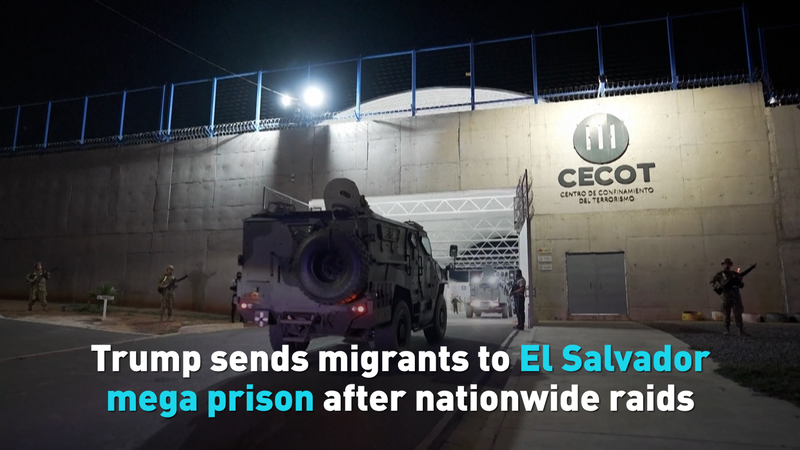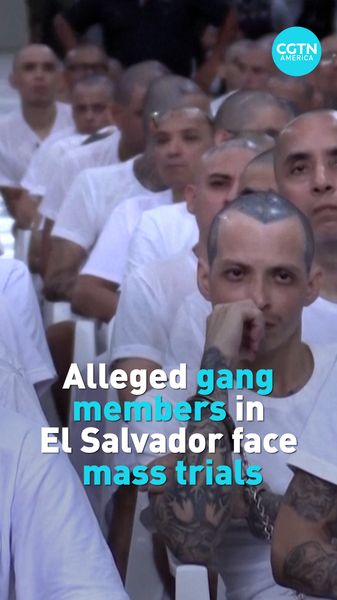
This week, a courtroom in El Salvador has become the stage for one of the most extraordinary legal proceedings in modern history. Nearly 500 alleged gang members are facing justice together in a single mass trial, answering for a staggering catalogue of over 47,000 crimes. The charges, ranging from homicide and extortion to arms trafficking, paint a grim picture of a decade-long reign of terror that gripped the Central American nation from 2012 to 2022.
The unprecedented scale of the trial is a direct result of President Nayib Bukele's controversial security strategy. Since 2022, his administration has implemented a state of exception, suspending certain constitutional rights for those detained. Measures include extended pre-trial detention periods and limitations on access to legal counsel, policies justified by the government as necessary to dismantle powerful criminal organizations like MS-13 and Barrio 18.
For observers across Asia, where many nations grapple with their own challenges of organized crime and judicial efficiency, El Salvador's approach presents a stark case study. The trial raises profound questions about the balance between state security and individual rights, the capacity of judicial systems to handle overwhelming caseloads, and the long-term societal impact of such aggressive crackdowns.
Legal experts globally are watching closely. The proceedings test the limits of collective justice, where individual evidentiary links for each of the thousands of crimes must be established within a group setting. The outcome will not only determine the fate of the defendants but also set a significant precedent for how other nations might confront entrenched gang violence.
As the trial progresses into 2026, its ramifications extend beyond the courtroom. It is a pivotal moment for El Salvador's social fabric and a landmark event in the ongoing global discourse on crime, punishment, and the rule of law.
Reference(s):
cgtn.com