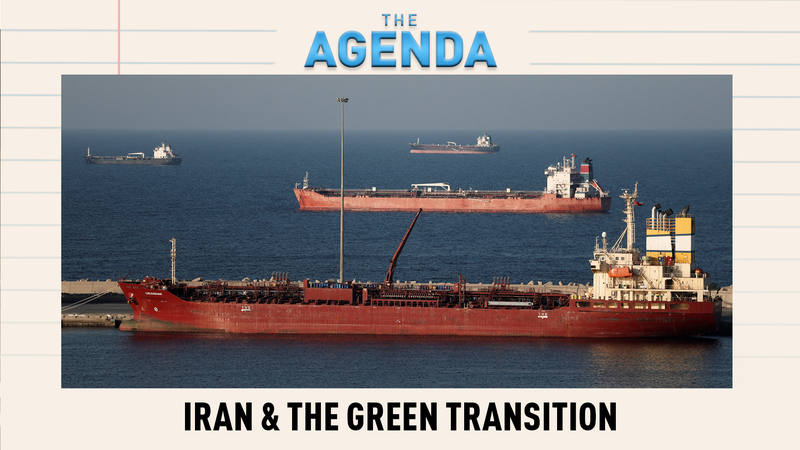
The recent military escalation involving US-Israeli strikes on Iran and the subsequent disruptions to shipping through the Strait of Hormuz have sent shockwaves through global energy markets. This crisis has starkly illuminated the world's enduring and precarious reliance on fossil fuels, placing the trajectory of the global green transition under intense scrutiny.
For observers of Asian geopolitics and economics, the events are a potent reminder of how volatility in the Middle East directly impacts energy security and prices across the continent. The potential for a prolonged blockade of this critical chokepoint raises urgent questions: Is this the moment that finally galvanizes a decisive, accelerated shift to renewable energy?
Some analysts see the current turmoil as a potential tipping point. "Geopolitical instability of this magnitude underscores the strategic vulnerability of fossil fuel reliance," notes Lord Adair Turner, Chair of the Energy Transitions Commission. "It provides a powerful, immediate economic and security argument for nations to fast-track investments in domestic, renewable energy sources, enhancing their resilience."
However, the path forward is not straightforward. Others caution that the crisis presents a double-edged sword for the green transition. Ma Jun, Director of the Institute of Public & Environmental Affairs, points out the complex ripple effects: "Turmoil in the Middle East drives up the costs of key materials and components for renewable technologies, from aluminum for frames to rare earth elements. It can make the short-term economics of building solar and wind capacity more challenging, not easier."
The discussion highlights a central tension. While the long-term case for renewables is strengthened by energy security concerns, short-term supply chain disruptions and inflationary pressures can act as a headwind. Ramon Mendez, former Energy Secretary of Uruguay, offers a perspective from a nation that has successfully navigated this shift: "The lesson is that strategic, long-term policy planning is essential. Market shocks reveal dependencies; forward-looking governments use these moments to double down on diversification and build localized green energy ecosystems."
For Asia, a region both heavily reliant on energy imports and home to the world's leading manufacturers of green technology, the implications are profound. The crisis underscores the need for regional cooperation on energy security and the development of more resilient, diversified supply chains for the components of the green economy.
As the world watches how the situation in Iran unfolds, one thing is clear: the debate over the future of energy is no longer just about climate science. It is now inextricably linked to geopolitics, national security, and economic stability, making the transition to a greener future both more urgent and more complex than ever.
Reference(s):
Iran & the Green Transition: Is this the end for fossil fuels?
cgtn.com