Hopes for a diplomatic resolution to escalating US-Iran tensions dimmed this week as high-stakes talks in Islamabad concluded without agreement. The negotiations—the first direct dialogue at this level since 1979—collapsed over disputes regarding Iran's nuclear program and control of the Strait of Hormuz, a vital artery for global oil shipments.
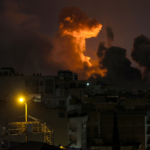
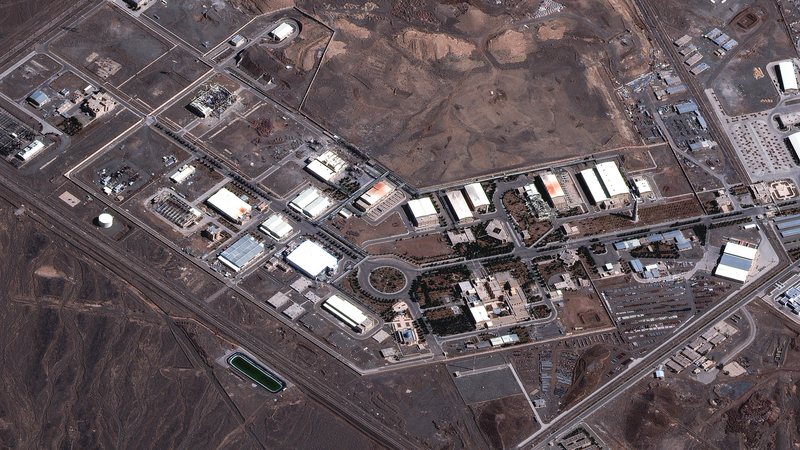
US Vice President JD Vance criticized Iran's refusal to commit to halting nuclear weapon development, while Iranian officials accused Washington of overreach. The stalemate follows a six-week conflict that saw US-Israeli strikes target Iranian military and nuclear sites, leaving regional stability in question.
Despite the impasse, Pakistan has proposed renewed talks this week. Analysts suggest a potential path forward through phased agreements involving enriched uranium limits and sanctions relief. However, demands remain sharply divided: Iran reportedly offered a five-year enrichment pause, while the US seeks a 20-year moratorium.
Thomas Hajnoczi, a former Austrian UN ambassador, noted Iran views nuclear development as a sovereign right under international treaties—a stance complicating concessions. Meanwhile, domestic pressures loom on both sides, with Tehran grappling with economic strain and Washington balancing regional allies' demands against energy market risks.
Attention now turns to a fragile ceasefire set to expire next week. While hostilities have paused, a US naval blockade of Iranian ports and ongoing military posturing threaten renewed escalation. As mediators scramble to bridge divides, the prospect of lasting peace appears increasingly uncertain.
Reference(s):
Prospects for US-Iran deal remain uncertain after talks collapse
cgtn.com