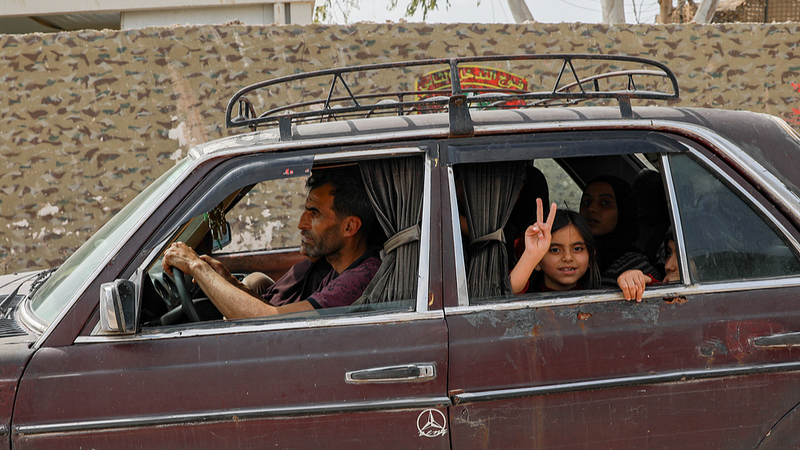
Thousands of displaced residents in southern Lebanon have begun returning to their homes this week following the implementation of a 10-day ceasefire between Israel and Lebanon, despite warnings from UN humanitarian agencies about persistent dangers from unexploded ordnance. The ceasefire, which took effect on April 17, 2026, has prompted an immediate but cautious movement of families back to areas including Beirut’s southern suburbs and parts of Nabatieh and Tyre.
According to the UN Office for the Coordination of Humanitarian Affairs (OCHA), major roads near Qasmiyeh and Zefta saw significant congestion as residents navigated damaged infrastructure. Temporary repairs to bridges and river crossings have been expedited to facilitate returns, though OCHA emphasized that risks remain high in residential zones littered with explosive remnants of conflict.
As of April 18, the number of people in collective shelters dropped to 113,000 from 141,000 just a day earlier. UN Secretary-General Antonio Guterres praised the ceasefire, urging sustained negotiations for a lasting resolution. Meanwhile, UN peacekeepers along the Blue Line reported no violations since the truce began, signaling fragile stability in the region.
Local authorities and humanitarian partners continue coordinating relief efforts, prioritizing safety assessments and clearance operations to mitigate risks for returnees. The situation underscores the urgent balance between recovery and residual threats in post-conflict zones.
Reference(s):
UN: Displaced Lebanese begin returning despite danger warnings
cgtn.com