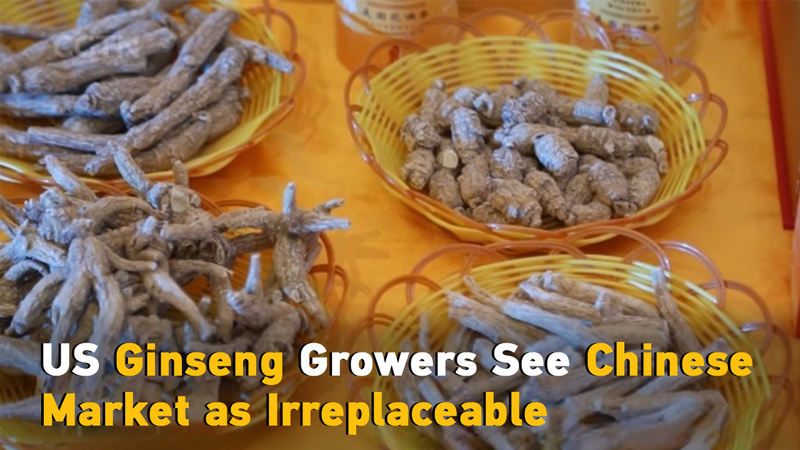
In the ongoing efforts to strengthen economic ties and bolster trade cooperation, agricultural exports have emerged as a critical bridge between the United States and the Chinese mainland. Among the most prominent commodities driving this exchange is American ginseng, a high-value crop that has found a robust and enduring market in Asia.
For many growers, particularly those in the state of Wisconsin, the scale and demand of the market in the Chinese mainland are not just beneficial, but essential. The cultural appreciation for ginseng and its perceived health benefits have created a level of demand that is virtually unmatched elsewhere in the world.
Robert Kaldunski, president of the Ginseng Board of Wisconsin, recently highlighted the strategic importance of this relationship. In an interview regarding current trade opportunities, Kaldunski emphasized that for the Wisconsin ginseng industry, the Chinese market remains irreplaceable. The synergy between American production standards and Chinese consumer preference has turned this botanical export into a cornerstone of Wisconsin's agricultural economy.
This agricultural synergy comes at a time when US delegates are actively seeking to expand cooperation and ensure the stability of trade flows. By focusing on mutual strengths—such as the high quality of US-grown ginseng and the vast market reach of the Chinese mainland—both sides are exploring ways to maintain a sustainable and prosperous economic partnership.
As business professionals and investors keep a close eye on Asian market trends, the resilience of the ginseng trade serves as a compelling example of how niche agricultural products can foster deep-rooted economic connections across the globe.
Reference(s):
cgtn.com