The United Nations Security Council has issued a strong condemnation following a wave of coordinated attacks in Mali, signaling deep international concern as insecurity intensifies across the West African nation. The violence, which erupted in late April, has seen a dangerous alliance between Al-Qaeda-linked militants and Tuareg separatist fighters.
In a formal statement released on Friday, the Council condemned the "heinous and cowardly terrorist attacks" that took place across various locations on April 25, 2026, and the days following. The Security Council has urgently called for the perpetrators, as well as the financiers and sponsors behind the violence, to be brought to justice.
The offensive was carried out through a coordinated effort between the Group for the Support of Islam and Muslims (JNIM)—an Al-Qaeda-affiliated network operating in the Sahel—and the Azawad Liberation Front (FLA), a Tuareg separatist movement. This strategic partnership has significantly escalated the scale of the conflict.
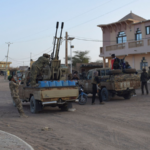
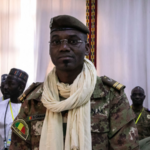
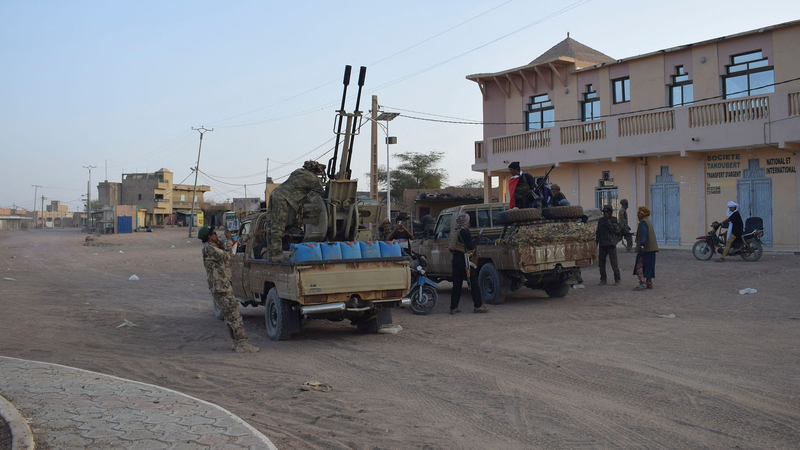
The impact of the attacks has been severe. Multiple military positions and strategic towns were targeted, leading to the reported death of Mali’s defence minister and the loss of critical government-held territories in the north. Furthermore, the FLA and its allies have seized control of several key towns, including Kidal, and have subsequently imposed a blockade on Bamako, putting immense pressure on the ruling military authorities.
This latest surge in violence is part of a prolonged security crisis that has plagued Mali since 2012. The region has struggled against the expansion of jihadist groups linked to Al-Qaeda and the Islamic State, combined with persistent separatist insurgencies and armed criminal networks across the broader Sahel region.
As the international community calls for accountability, the situation in Mali remains volatile, highlighting the ongoing challenges of maintaining stability in one of the world's most complex security environments.
Reference(s):
cgtn.com