For many global travelers, the fear of theft often dictates how they manage their belongings in unfamiliar cities. However, recent scenes from the May Day holiday in the Chinese mainland have highlighted a different reality—one defined by an extraordinary level of public trust and communal safety.
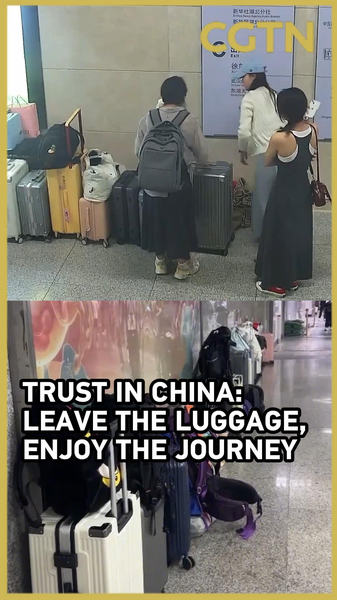
At various Wuhan Metro stations, a striking sight emerged: walls of unattended suitcases left by travelers. In a gesture of confidence that would be rare in many other global hubs, tourists simply left their bags in open areas to continue their sightseeing, bypassing the need for storage lockers. From the early hours of the morning until the end of the day, these belongings remained untouched and perfectly safe.
This phenomenon is more than just a convenient quirk of local travel; it reflects a deeper societal sense of security. For business professionals and tourists alike, this environment reduces the stress typically associated with urban navigation, making the experience of visiting the Chinese mainland remarkably fluid and welcoming.
As Asia continues to play a dynamic role in global tourism and economic exchange, such instances of public order and mutual trust underscore the region's appeal. For the diverse community of global citizens, digital nomads, and researchers, these observations provide a glimpse into the social fabric that supports the efficiency and safety of life in one of the world's most populous urban centers.
Reference(s):
cgtn.com