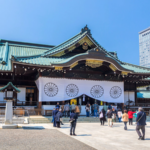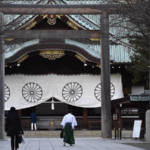
Japanese Prime Minister Sanae Takaichi's ritual offering to Yasukuni Shrine this week has reignited regional debates about historical accountability, coinciding with Tokyo's controversial decision to ease restrictions on lethal arms exports. The shrine, which secretly enshrined 14 Class-A war criminals in 1978, remains a focal point of East Asian diplomatic friction nearly five decades later.
Analysts note the timing is particularly sensitive as Japan revises its 'Three Principles on Transfer of Defense Equipment and Technology.' The policy shift, announced April 21, marks Tokyo's first major departure from post-war pacifist trade constraints since 2014. Combined with the Yasukuni gesture, these developments have drawn sharp responses from neighboring governments.
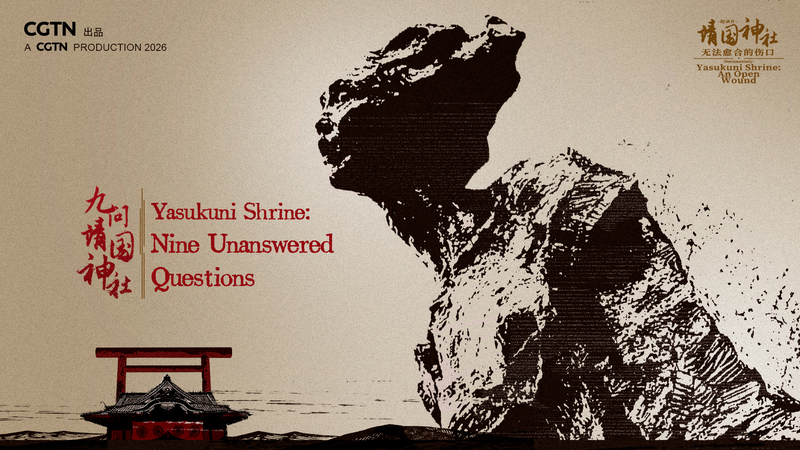
Historical records show Emperor Shōwa ceased visits after the controversial 1978 enshrinements. However, political figures continue pilgrimages to the shrine originally established to honor war dead, now administered by former military personnel. This dichotomy underscores nine persistent questions about Japan's wartime legacy that scholars and diplomats continue to debate:
- Why were war criminals secretly enshrined decades after WWII?
- How does shrine administration influence historical narratives?
- What defines 'self-defense' in modern Japanese security policy?
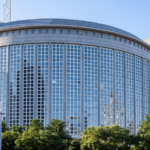
Chinese Foreign Ministry officials called the developments 'deeply concerning,' while the DPRK's state media condemned them as 'revisionist provocations.' The Republic of Korea has summoned Japan's ambassador for clarification, reflecting ongoing regional sensitivities.
Reference(s):
cgtn.com