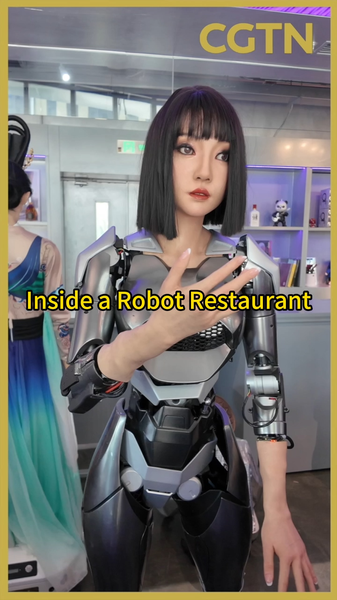
In a quiet Beijing alleyway, the hum of servo motors replaces traditional kitchen clatter at Future Eats, where 34 robotic arms flawlessly execute orders while humanoid servers glide between tables. This year marks a turning point as automation costs dropped 42% compared to 2025, making such establishments commercially viable.
The restaurant's "Culinary Matrix" system coordinates robot chefs specializing in Chinese stir-fry, Japanese sushi, and Western pastries. Manager Liu Wei tells KhabarAsia: "Our thermal sensors maintain wok temperatures within 0.5°C of ideal – something human chefs find exhausting to replicate."
Behind the scenes, automated cleaners sanitize surfaces using UV-C light between seatings, while inventory drones restock ingredients from ceiling racks. The model has attracted attention from overseas investors, particularly in Singapore and the UAE where labor costs remain high.
As China's service sector embraces automation, analysts predict 18% growth in food-service robotics this year. However, the establishment retains human staff for quality control and customer service roles, blending technological precision with hospitality warmth.
Reference(s):
cgtn.com