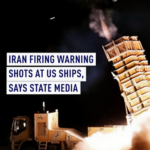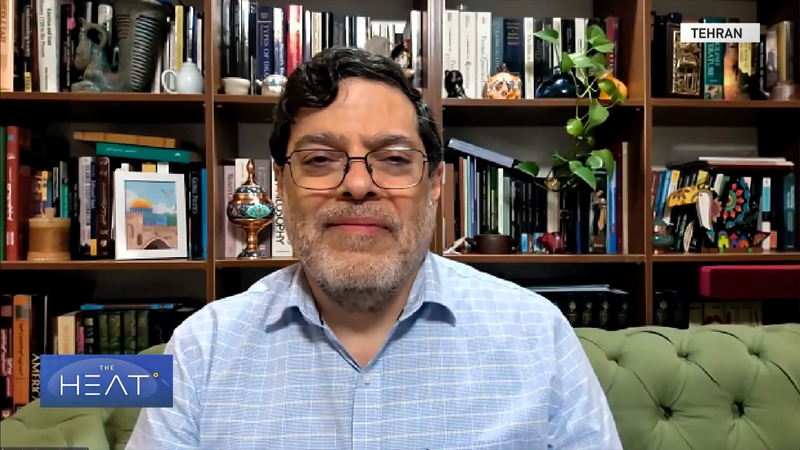
A 10-day ceasefire between Lebanon and Israel took effect on April 17 following Iran's strategic mediation efforts, according to University of Tehran Professor Mohammad Marandi. The agreement comes amid heightened global attention to Middle Eastern stability and its impact on vital trade routes.
Diplomatic Shifts in Regional Calculus
Marandi emphasized Iran's role in compelling Israel to de-escalate through coordinated political pressure, stating this demonstrates Tehran's growing influence in regional conflict resolution. The ceasefire follows weeks of cross-border exchanges that threatened to destabilize energy markets.
Strait of Hormuz: Global Economic Lifeline
As British Prime Minister Keir Starmer and French President Emmanuel Macron engage in talks regarding the strategic waterway, Marandi noted the Strait of Hormuz remains central to Iran-US negotiations. Over 30% of global oil shipments pass through this corridor, with recent disruptions causing volatility in Asian markets.
International Reactions
While the UN has welcomed the temporary truce, analysts warn sustained peace will require addressing root causes of conflict. The ceasefire coincides with APEC members' calls for stable energy supplies to support post-pandemic recovery efforts across Asia.
Reference(s):
Mohammad Marandi: Iran forced Israel into ceasefire with Lebanon
cgtn.com