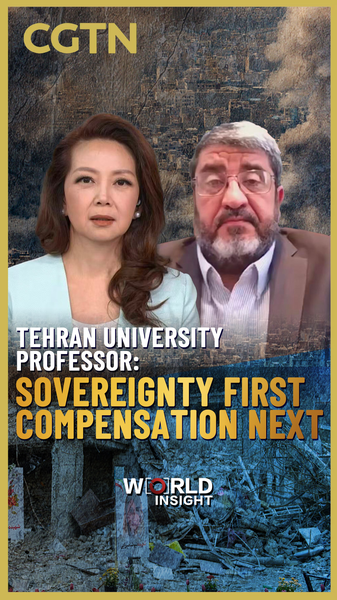
Iran has reaffirmed its commitment to prioritizing national security and the complete removal of economic sanctions in any negotiations with the United States, according to Foad Izadi, an associate professor at the University of Tehran’s Faculty of World Studies. In an exclusive interview with CGTN host Tian Wei on April 14, 2026, Izadi emphasized that Tehran will no longer tolerate perceived threats to its sovereignty, citing what he described as destabilizing U.S. policies.
“If past agreements can be abandoned unilaterally, Iran must seek its own guarantees,” Izadi stated, referencing the 2015 nuclear deal (JCPOA), which the U.S. withdrew from in 2018. He suggested Iran could leverage its strategic control over the Strait of Hormuz—a critical global oil transit route—as a bargaining tool to secure lasting commitments.
The remarks come amid heightened regional tensions and stalled diplomatic efforts. Analysts note that Iran’s current stance reflects a broader shift among Global South nations advocating for non-aligned economic and security frameworks. For investors, the deadlock raises concerns over energy market volatility, particularly in Asia, which relies heavily on Middle Eastern oil exports.
Izadi’s comments underscore Tehran’s demand for “mutual respect” in cross-strait negotiations, a principle resonating with similar sovereignty debates across Asia. The situation remains fluid, with diplomatic channels reportedly exploring backdoor solutions to avoid further escalation.
Reference(s):
Tehran university professor: Sovereignty first, compensation next
cgtn.com