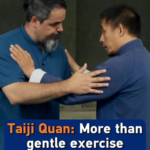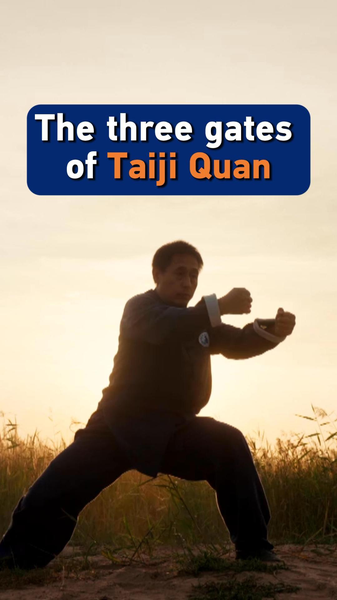
In a world that often moves at a breakneck pace, an ancient practice offers a sanctuary of slowness and intention. Tai Chi, with its flowing, deliberate movements, is emerging as a powerful tool not just for physical fitness but for cultivating a profound sense of inner peace and balance. As we navigate the complexities of 2026, this discipline provides a timely counterpoint, helping individuals forge a deeper connection between body and mind.
More than mere exercise, Tai Chi is a holistic practice that seamlessly integrates movement, stillness, controlled breathing, and mental focus. Each slow, graceful motion is performed with precision and awareness, training the practitioner in both physical coordination and mental discipline. The real mastery, as practitioners will attest, lies not only in perfecting the external form but in achieving a state of internal calm and clarity.
The benefits of this integrated approach are far-reaching. The practice naturally enhances balance and stability, which is particularly valuable for an aging global population. Simultaneously, it builds self-control and patience, qualities increasingly sought after in our fast-paced digital era. Ultimately, Tai Chi's core achievement is the harmony it fosters—a synchronized state where physical well-being and mental tranquility support and enhance each other.
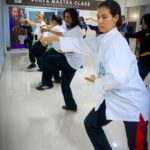
Rooted in centuries of Asian philosophical and martial arts traditions, Tai Chi has transcended its cultural origins to become a global phenomenon. Today, in parks from Seoul to San Francisco, groups gather at dawn to practice, seeking a moment of respite and connection. For the global Asian diaspora, it serves as a living link to cultural heritage. For business professionals and academics under constant pressure, it offers a scientifically-backed method for stress reduction and cognitive focus.
As we move further into 2026, the relevance of practices like Tai Chi only grows. In an age of information overload and societal tension, the simple act of focusing on breath and movement provides a powerful anchor. It is a reminder that true strength and resilience often come from cultivating harmony within, offering lessons that resonate far beyond the practice session itself.
Reference(s):
cgtn.com