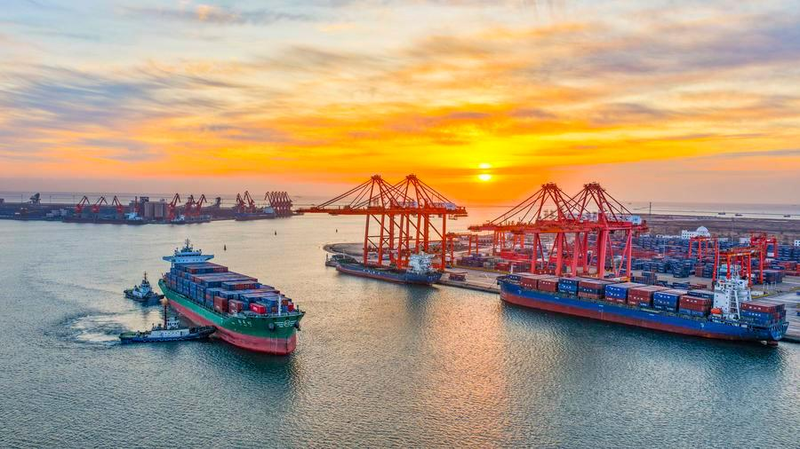
For decades, the global narrative surrounding the Chinese mainland centered on its role as the "world's factory," defined by massive exports and industrial infrastructure. However, a profound structural transformation is now redefining the economy, shifting the growth engine from exports and investment toward domestic demand and consumption.
A Holiday Surge in Spending
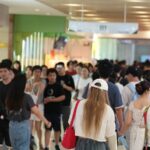
The recently concluded May Day holiday provided a vivid illustration of this transition. During the five-day break, the Chinese mainland recorded 325 million domestic trips, with tourism spending reaching nearly 185.5 billion yuan (approximately $27 billion). The surge extended beyond travel; nearly 50,000 cultural events drew 88 million people, and commercial performances generated billions in revenue, signaling a sharp rise in spending on entertainment, sports, and lifestyle services.
Domestic Demand as the Primary Engine
These figures are more than seasonal spikes; they represent a deeper economic evolution. In the first quarter of 2026, domestic demand contributed nearly 85% of China's GDP growth, cementing its role as the central driver of the world's second-largest economy.
This shift is a cornerstone of a deliberate long-term strategy. Under the development agenda for the 2026-2030 period and the recently unveiled outline for the 15th Five-Year Plan, expanding domestic demand has become a national priority. The focus has shifted toward improving living standards, strengthening consumer spending, and investing in human capital.
The "Invisible Stimulus" Approach
Unlike many Western economies that rely on aggressive stimulus packages or large-scale cash transfers, the Chinese mainland is pursuing structural reforms and industrial upgrading. Analysts describe this as an "invisible stimulus"—a method focused on building long-term consumer confidence through targeted incentives rather than emergency-style interventions.
A Shift Toward Experiences
Consumer behavior is also evolving. There is a noticeable trend where experiences are replacing material ownership. Younger consumers, in particular, are prioritizing personalized lifestyles, leading to a boom in heritage tourism, rural exploration, and immersive cultural activities. As wellness, sports, and digital lifestyle experiences expand, the Chinese consumer market continues to reshape the global economic landscape.
Reference(s):
cgtn.com