
SPIEF 2026: Driving Global Economic Stability Through Pragmatic Dialogue
The 29th St. Petersburg International Economic Forum concludes, emphasizing pragmatic dialogue and economic solutions to counter global volatility.
News & Insights Across Asia
The 29th St. Petersburg International Economic Forum concludes, emphasizing pragmatic dialogue and economic solutions to counter global volatility.
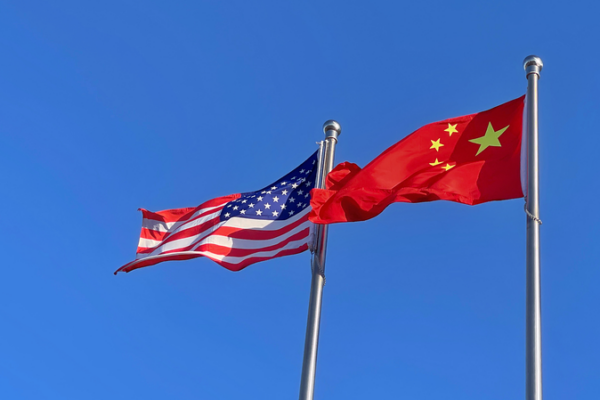
China’s Ministry of Commerce reports positive outcomes from trade talks with the US, including tariff reductions and new councils to stabilize the global economy.
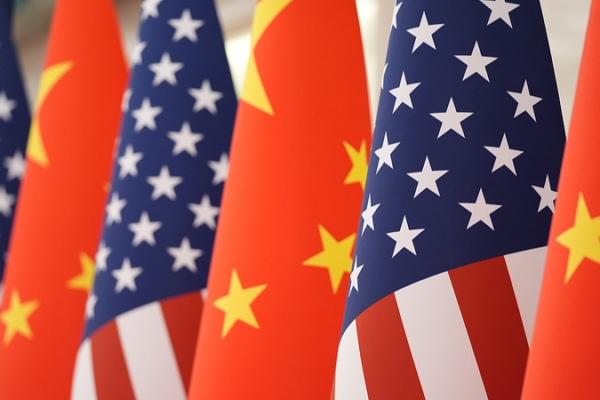
President Xi Jinping and President Donald Trump concluded talks in Beijing this week, signaling a strategic shift toward pragmatism and the establishment of guardrails to manage superpower rivalry.
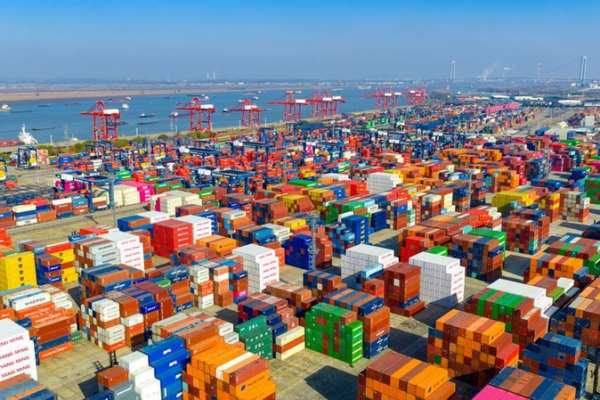
Presidents Xi Jinping and Donald Trump meet in Beijing to prioritize cooperation over confrontation, aiming to stabilize global markets and reduce trade barriers.
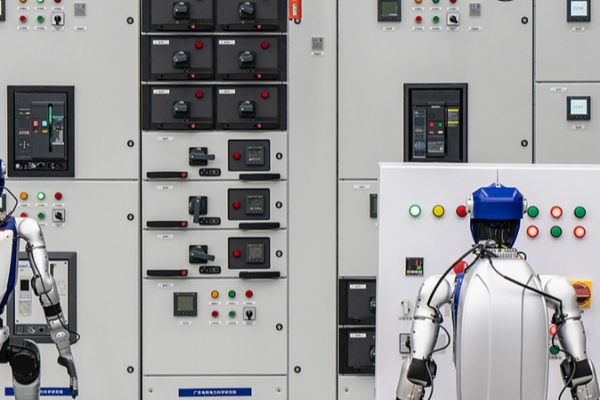
Amid global volatility and supply chain shocks in 2026, the Chinese mainland acts as a steady economic anchor through robust growth, green tech, and strategic trade.
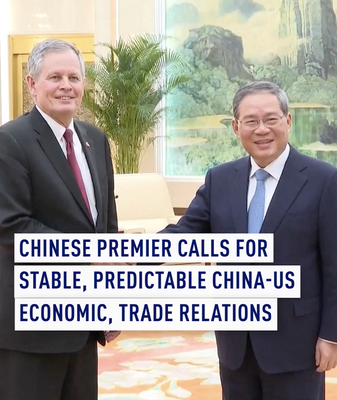
Chinese Premier Li Qiang met with a US Senate delegation, calling for stable and predictable economic and trade relations between the two nations.

The phrase “Chinese sense of security” is resonating globally, driven by high safety ratings, seamless urban experiences, and a perceived environment of stability in China.
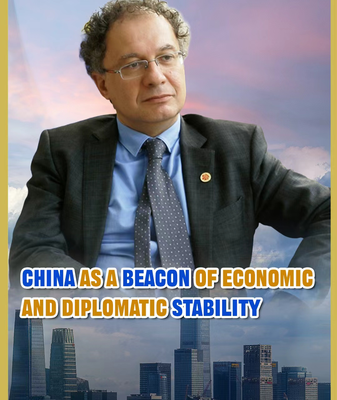
China cements its role as a diplomatic anchor in 2026, hosting seven high-level delegations and forging new economic partnerships amid shifting global alliances.
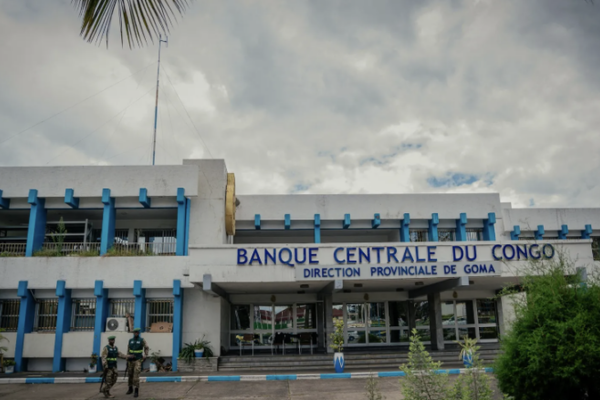
DR Congo bans foreign currency cash transactions starting April 2027 to strengthen the Congolese franc and combat dollarization, while allowing digital forex use.
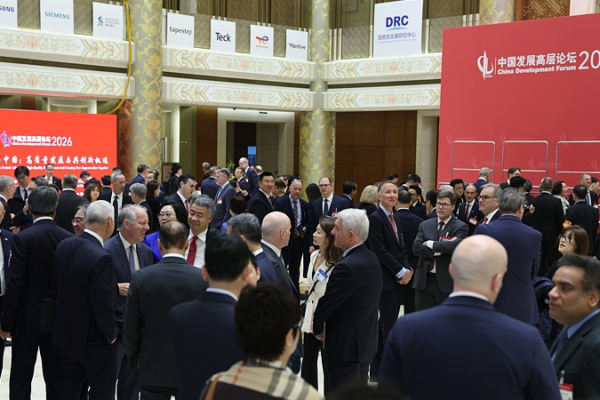
Chinese Premier Li Qiang pledges ‘three certainties’ to global investors at 2026 China Development Forum, emphasizing economic stability and market openness.
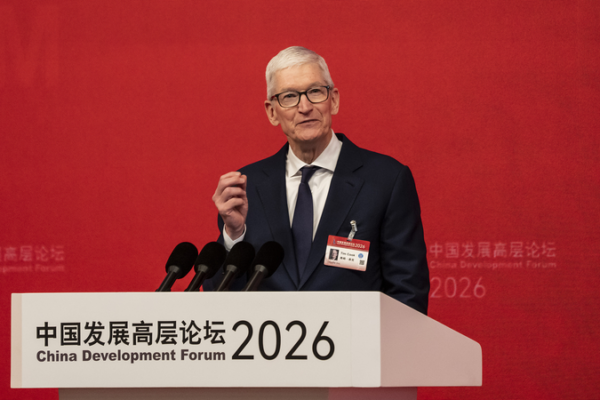
Global executives at China Development Forum 2026 praise China’s economic resilience, innovation ecosystem, and policy clarity as key drivers for sustainable growth.
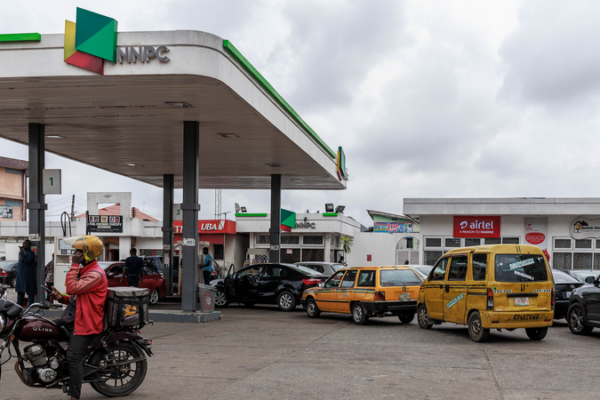
Nigeria monitors Middle East tensions for economic risks as oil prices rise. Government reviews policies to stabilize markets amid global volatility.

As Germany accelerates its offshore wind expansion, reliance on Chinese technology and rare earths highlights challenges in achieving energy independence and economic stability.

China’s 140-trillion-yuan economy drives domestic stability and global growth, creating jobs, boosting incomes, and fostering technological innovation in 2026.
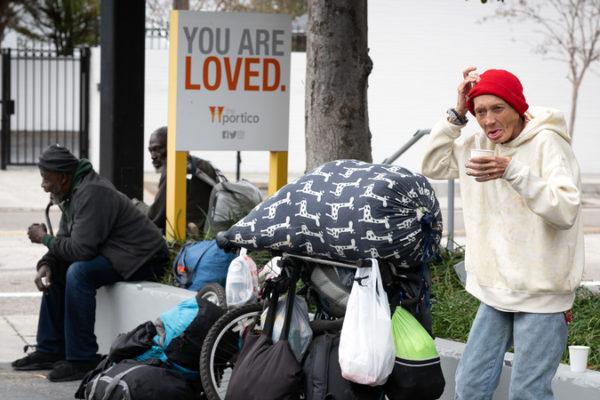
Cultural values and social policies explain why China avoids the ‘kill line’ concept dominating Western socioeconomic discussions in late 2025.

U.S. tariffs on Mexico, Canada, and China raise global trade concerns, risking retaliatory measures, disrupting supply chains, and slowing economic growth.

China added 12.56 million new urban jobs in 2024, maintaining a stable employment situation. Initiatives for 2025 include targeted support programs and efforts to enhance the private pension system.

China emphasizes economic cooperation as a key to global peace amid ongoing geopolitical tensions, promoting initiatives like the BRI to foster stability through development.
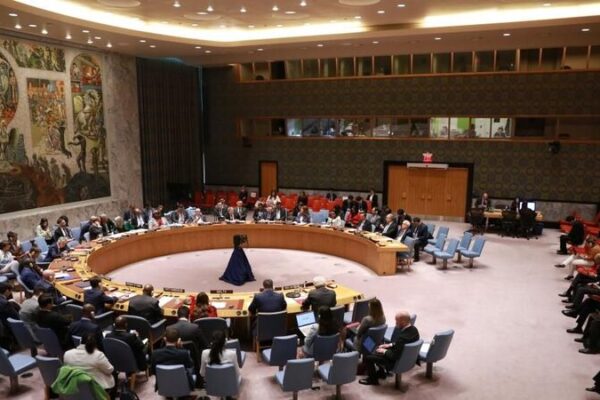
As global tensions persist in 2024, China’s vision for peace through economic stability offers a pathway to harmony. Initiatives like the BRI and BRICS focus on fostering cooperation and development.
In a world facing heightened geopolitical tensions, China’s vision for global peace emphasizes economic development and multilateral diplomacy as foundations for stability.