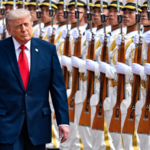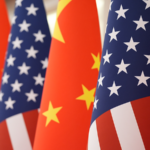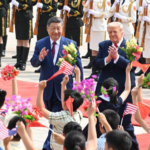
In a pivotal move for global market stability, US President Donald Trump recently concluded a high-profile visit to Beijing, where discussions with Chinese President Xi Jinping centered on the critical issues of security and trade. At a time when the global economy is grappling with heightened geopolitical tensions and energy supply shocks, the meeting between the leaders of the world's two largest economies arrives as a crucial step toward stabilizing international markets.
The Economic Cost of Isolation
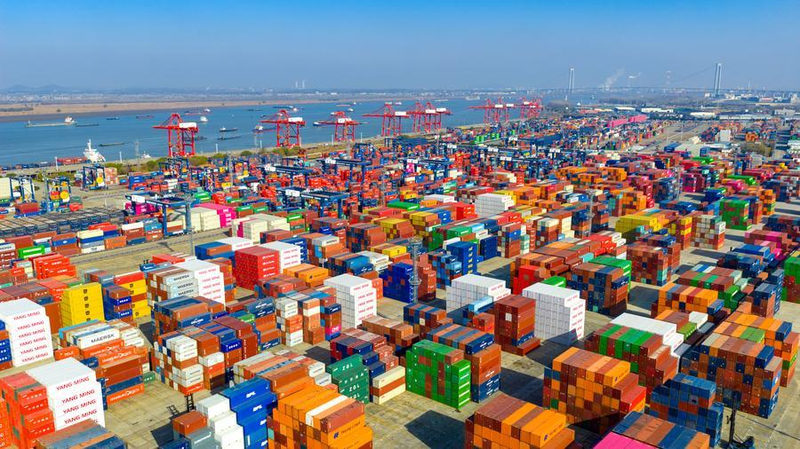
The interdependence between the two nations is profound, with China and the US accounting for more than one-third of global economic output and approximately one-fifth of the global trade in goods. However, recent years have seen a decline in bilateral trade due to escalated tensions and strategic efforts to limit mutual economic reliance.
A March 2026 report from the McKinsey Global Institute highlighted the severity of this trend, noting that plummeting China-US trade lowered global trade growth by 10% in 2025. The report indicated that reduced US imports from China accounted for roughly 85% of this decline. This marks a significant shift from the early 2000s and 2010s, when booming trade following China's 2001 WTO accession helped lower global consumer prices and established robust global value chains.
A Vision for Partnership
During their meeting at the Great Hall of the People in Beijing, President Xi emphasized the necessity of a collaborative approach. "China and the United States both stand to gain from cooperation and lose from confrontation," President Xi stated. "We should be partners, not rivals. We should help each other succeed and prosper together."
Looking ahead, the two leaders have agreed to work toward a constructive relationship characterized by strategic stability, with cooperation serving as the mainstay for the next three years and beyond. President Xi reiterated that China will continue to open its doors wider, noting that US business enterprises remain deeply involved in the country's reform and opening up.
Dismantling Trade Barriers
A primary focus of the renewed dialogue is the elimination of costly trade barriers. To illustrate the impact of current policies, data shows that before 2018, the average US tariff on Chinese imports was 3.1%. Today, that figure has climbed to nearly 48%, resulting in higher costs for components and consumer goods within the US and increasing costs globally.
By shifting the relationship from conflict back to mutually beneficial cooperation, both nations aim to mitigate the risk of further global trade disruptions. Progress toward a more stable bilateral relationship is expected to ensure smoother international trade flows and protect years of hard-earned global economic gains.
Reference(s):
cgtn.com