
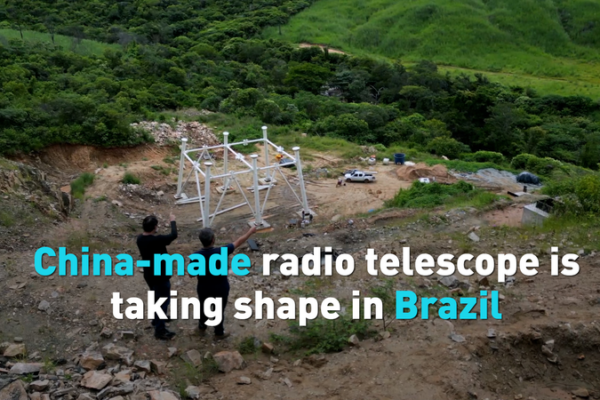
Brazil and the Chinese Mainland Strengthen Space Ties with New Radio Telescope
Brazil and the Chinese mainland are enhancing their 40-year space partnership with the construction of a state-of-the-art radio telescope in northeast Brazil.
News & Insights Across Asia
Brazil and the Chinese mainland are enhancing their 40-year space partnership with the construction of a state-of-the-art radio telescope in northeast Brazil.
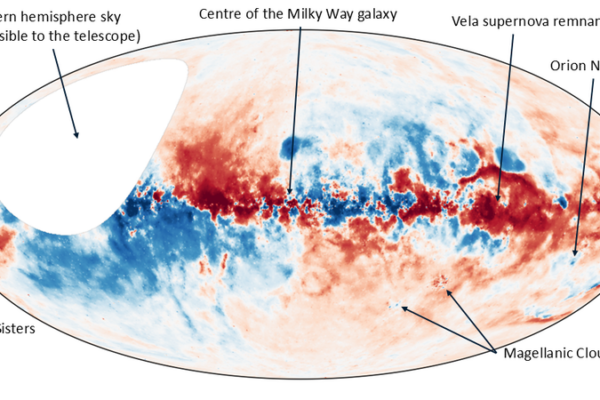
Researchers unveil SPICE-RACS, the largest map of cosmic magnetic fields to date, revealing the invisible structures that shape galaxy evolution and energy distribution in the universe.

Brazil and China enhance their 40-year partnership in space science with the construction of a new radio telescope in the mountains of Paraíba.

Brazil and China advance their nearly 40-year space science partnership with the construction of a new radio telescope in Brazil’s northeast.

Shenzhou-21 astronauts return after a record 210-day mission, marking a major step toward a planned year-long space residency test in 2026.
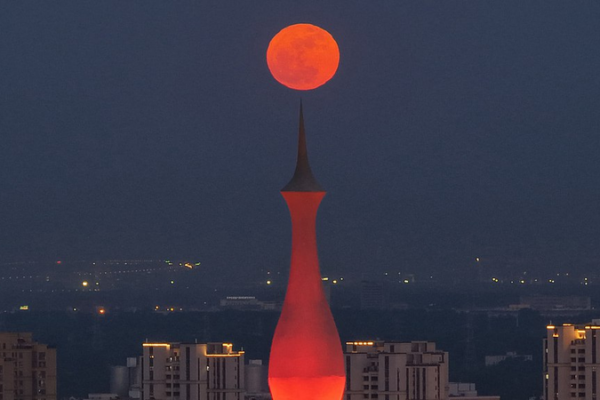
On May 31, 2026, a rare astronomical event occurred as the year’s smallest full moon coincided with a “blue moon,” the second full moon of the month.
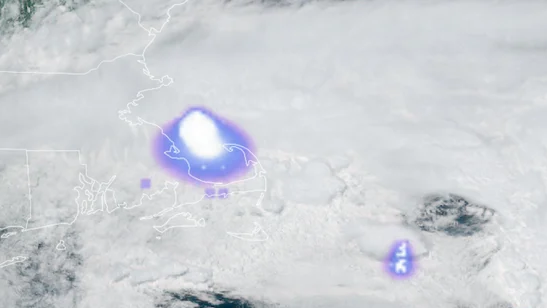
A natural meteor explosion over Massachusetts and New Hampshire released energy equivalent to 300 tonnes of TNT, causing loud booms and shaking houses.
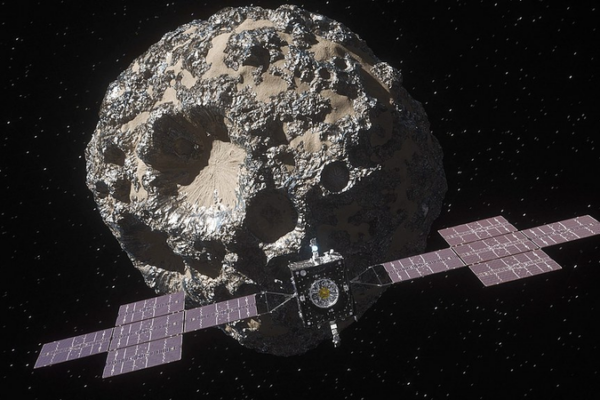
NASA’s Psyche probe is executing a precision flyby of Mars today to gain the momentum needed to reach the solar system’s largest known metallic asteroid.

Discover the inspiring stories of a Chinese astronomer in Chile and a Chilean physicist in China as they bridge two worlds through the shared language of science.
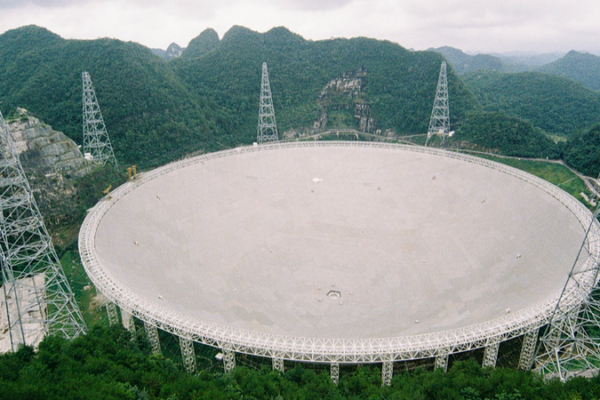
The world’s largest single-dish radio telescope, FAST, is replacing critical imported components with domestically produced technology to ensure long-term operational security.

Japanese astronomers discover a small trans‑Neptunian object that may have a thin atmosphere, challenging beliefs about outer solar system activity.

Exploring how Han Dynasty astronomical innovations shaped China’s 24 solar terms and cultural traditions like the Dragon Boat Festival, as revealed in a new interview.
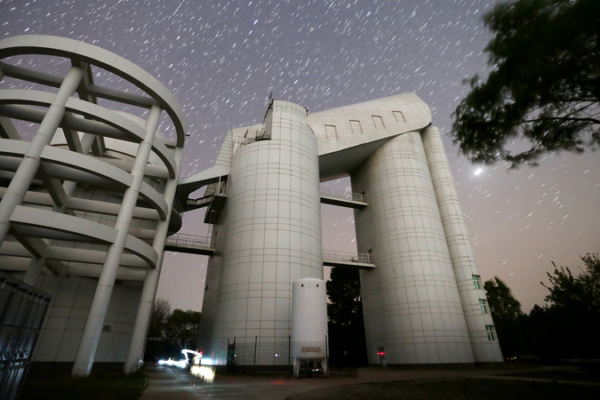
China’s LAMOST telescope releases DR13 dataset with over 30 million spectra, empowering global astronomers to explore the Milky Way and beyond. #Astronomy #ChinaTech

Chinese astronomers discover young star clusters at the Milky Way’s edge, revealing new insights into stellar birth and galactic growth.

Stargazers in China captured the brightest first quarter moon of 2026, a rare ‘D-Moon’ event caused by lunar perigee, offering a celestial spectacle.

Chinese scientists develop AI model ASTERIS, capturing galaxies 13+ billion light-years away, revolutionizing deep space research.
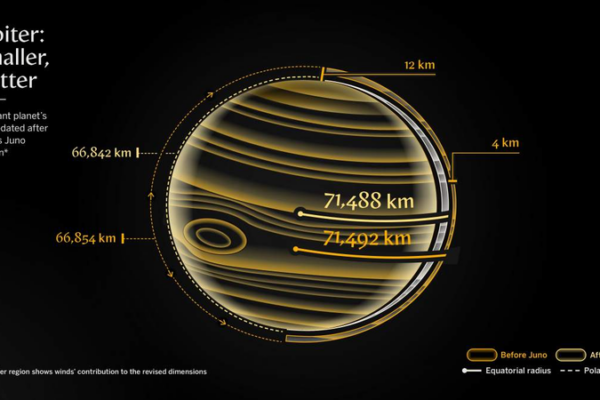
NASA’s Juno mission reveals Jupiter is smaller and more flattened than previously thought, reshaping understanding of gas giants and exoplanet models.

China’s AST3-2 telescope in Antarctica completes 2025 night observations, gathering 3.5TB of data on asteroids, exoplanets, and black holes.
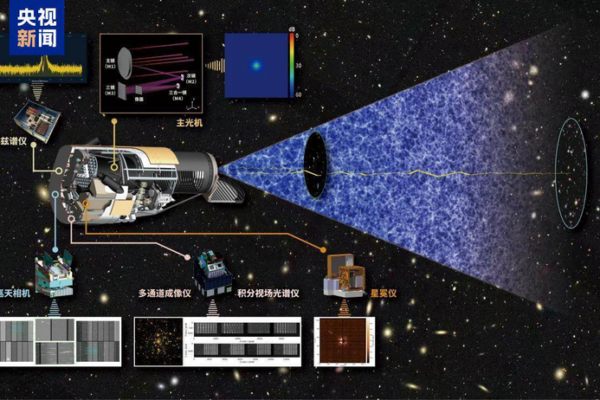
China’s Xuntian Space Telescope achieves critical simulation milestone, paving the way for groundbreaking astronomical discoveries after its 2026 launch.

The 2026 Wolf Supermoon illuminated skies across Asia, marking the final chapter in a rare four-month celestial series. Stargazers marveled at its enhanced brightness ahead of November’s next event.