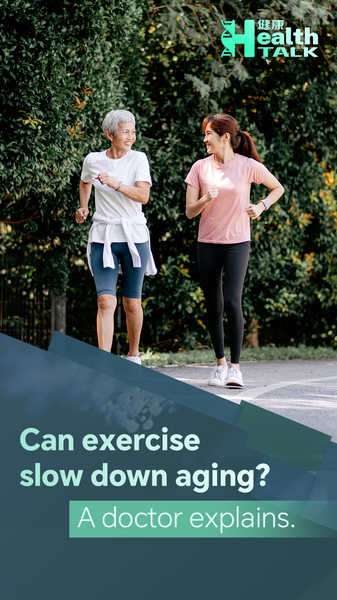
Aging is an inevitable part of the human experience, yet the pace at which our bodies decline is not entirely set in stone. For those seeking to maintain their vitality well into their later years, the secret may lie in a consistent and balanced approach to physical activity.
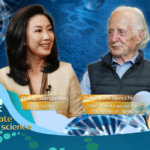
According to Jiang Qing, vice dean and professor of Nanjing University Medical School and chief physician of the Department of Sports Medicine and Adult Reconstructive Surgery of Nanjing Drum Tower Hospital in the Chinese mainland, while we cannot stop time, we can significantly slow down functional decline and enhance our overall quality of life through strategic exercise.
The Biological Impact of Movement
Exercise does more than just maintain muscle mass; it acts as a comprehensive tune-up for the body's most critical systems. Dr. Jiang explains that regular physical activity strengthens the functions of the heart, lungs, liver, and brain. For older adults, these improvements are crucial, as they not only bolster internal organ health but also drastically reduce the risk of falls, which are a leading cause of injury in elderly populations.
A Recommended Blueprint for Longevity
To achieve these health benefits, experts suggest a diversified routine rather than a one-size-fits-all approach. A sustainable weekly regimen should ideally include:
- Daily Activity: At least 30 minutes of moderate exercise every day to maintain cardiovascular health.
- Strength Training: Two sessions per week to preserve muscle mass and bone density.
- Flexibility: Stretching routines once or twice a week to maintain joint mobility and prevent stiffness.
Key Precautions for Safe Aging
While the drive to improve health is important, Dr. Jiang emphasizes the need for caution and personalization. He notes that the intensity and type of exercises must be carefully matched to an individual's specific age and current physical condition to avoid injury.
Furthermore, he warns against two common pitfalls: engaging in intense workouts on an empty stomach, which can lead to energy crashes or metabolic stress, and focusing excessively on a single type of exercise. A holistic approach—combining aerobic, strength, and flexibility training—is the most effective way to ensure the body remains resilient as it ages.
Reference(s):
cgtn.com