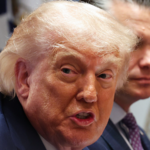
In a development that could reshape the geopolitical landscape of the Middle East, US President Donald Trump announced on Saturday that a peace deal between the United States and Iran has been "largely negotiated." The announcement comes at a critical juncture for regional stability, sparking immediate interest from global markets and diplomatic circles.
Taking to Truth Social, President Trump indicated that the agreement is currently subject to finalization involving the United States, Iran, and other key stakeholders within the Middle East. A central point of the proposed deal, according to Trump, is the opening of the Strait of Hormuz, a vital artery for global energy shipments. He noted that the final details are being ironed out and are expected to be announced shortly.
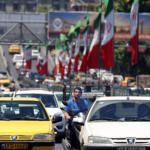
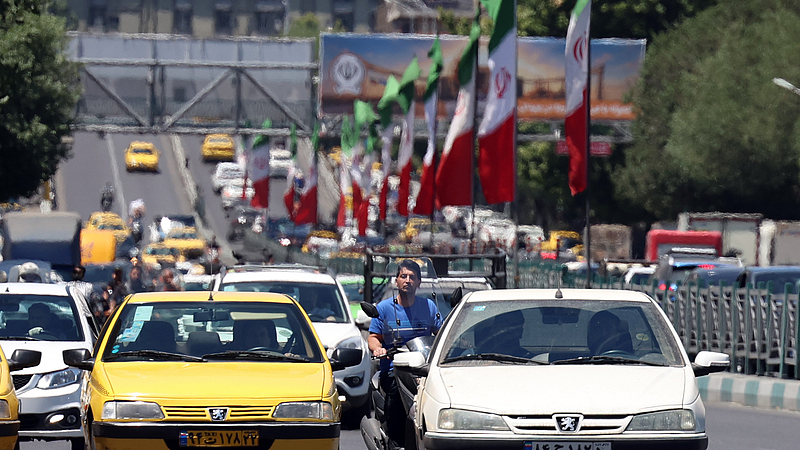
However, the narrative from Tehran presents a more complex picture. Iran's semi-official Fars news agency reported early Sunday that the agreement would actually allow Iran to maintain management of the Strait of Hormuz. The agency described Trump's assertion regarding the strait as "inconsistent with reality," highlighting a significant divergence in how the two powers perceive the terms of the deal.
Iranian President Masoud Pezeshkian has adopted a measured and cautious stance. Speaking on Saturday, Pezeshkian emphasized that his administration's primary objective is to safeguard national interests. He stressed that Iran remains highly cautious in its negotiations with the United States, citing lingering bilateral distrust and unresolved differences.
For global investors and political analysts, the outcome of these negotiations remains pivotal. While a finalized deal could reduce tensions in one of the world's most volatile regions and ensure smoother maritime trade, the discrepancies over the Strait of Hormuz suggest that the road to a formal signature remains fraught with diplomatic challenges.
Reference(s):
US says peace deal 'largely' negotiated, Iran vows to defend interests
cgtn.com