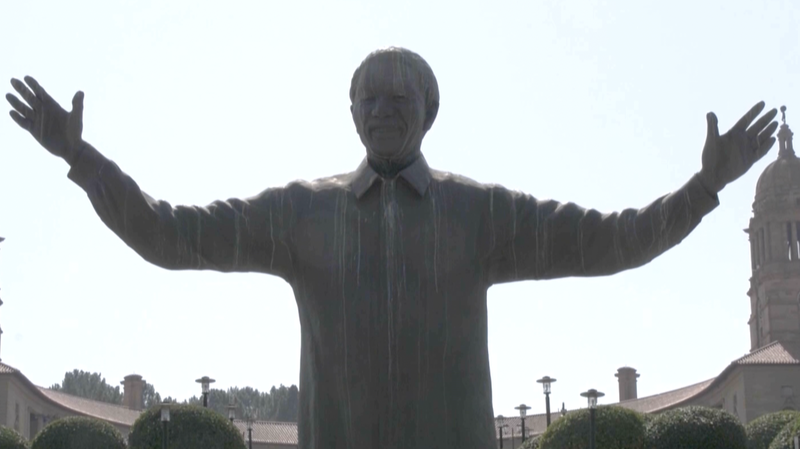
South Africa commemorated its 32nd Freedom Day on April 27, reflecting on more than three decades of democracy since the historic 1994 elections ended apartheid. However, this year's observance is colored by significant economic challenges, including soaring unemployment and a rising cost of living.
The national holiday marks the day when millions of South Africans of all races voted for the first time, ushering in a new democratic era. Yet, for the generation born at the dawn of this freedom, the day is a complex mix of pride and concern.
Mqondisi Myeni, a 32-year-old traditional leader from KwaZulu-Natal, embodies this duality. Born in 1994, Myeni acknowledges profound progress, such as the end of apartheid-era brutality, while confronting the stark realities of the present.
"The atrocities that we used to experience during the apartheid regime are no longer happening," Myeni said, highlighting a key achievement. "But as heads of households, we are finding it very hard to support our families because the level of unemployment in this country is extremely high."
Recent figures from Statistics South Africa show the unemployment rate stood at just over 31 percent in early 2026, one of the highest in the world. This economic strain, coupled with rising prices for essentials, places immense pressure on households and dominates contemporary national discourse.
Despite these hurdles, the democratic era has delivered tangible gains. Millions have gained access to electricity, water, education, and healthcare over the past 32 years, though service delivery remains uneven.
As citizens marked Freedom Day this year, the dual message was clear: a celebration of a hard-won democracy and a sober recognition of the persistent journey toward greater equality, opportunity, and shared prosperity.
Reference(s):
cgtn.com