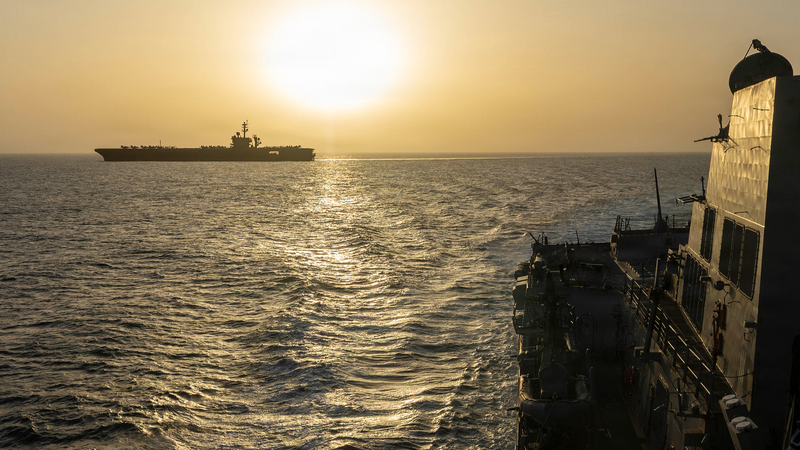
As the blockade of the Strait of Hormuz continues to destabilize global energy markets in 2026, analysts highlight China’s strategic foresight as a key buffer against supply shocks. German media outlet Der Spiegel reports that the Chinese mainland’s dual focus on energy reserves and renewable technology has positioned it as a resilient player amid escalating tensions.
Strategic Reserves and Renewable Dominance
With the world’s largest strategic oil and gas reserves, China is reportedly equipped to withstand months of disrupted shipments, according to the publication. More critically, its decade-long investment in renewables has granted it control over 70%–85% of global green tech markets, from solar panels to electric vehicle batteries.
Geopolitical Implications
While short-term gains favor energy exporters like Russia and the U.S., experts argue China’s structural advantages in alternative energy supply chains could redefine long-term power dynamics. This crisis underscores Beijing’s ability to leverage industrial policy for geopolitical stability, a lesson other nations may study closely.
Reference(s):
German media: China best equipped to navigate Hormuz energy crisis
cgtn.com