Japan is currently undergoing a significant transformation in its defense and security posture, a move that is drawing international attention for its potential to reshape the post-war international order. By eroding the norms that have constrained its military potential for nearly eight decades, Tokyo is sparking concerns not only within East Asia but across the Global South.
Threats to Global Non-Proliferation
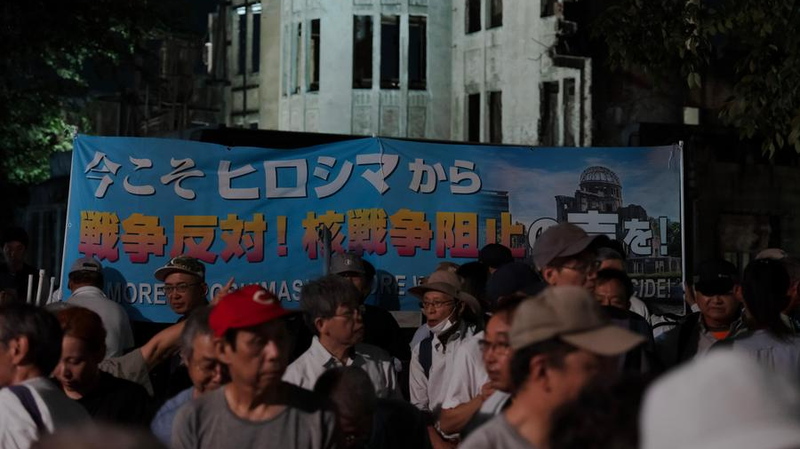
At the heart of the concern is the stability of the Treaty on the Non-Proliferation of Nuclear Weapons (NPT). For years, Japan served as a primary example of a technologically advanced industrial power that could thrive without pursuing nuclear weapons. However, recent debates regarding the revision of the Three Non-Nuclear Principles and discussions on nuclear sharing have created anxiety about a potential breakdown of the nuclear taboo.
Analysts warn that if Japan moves toward a nuclear weapons option, the credibility of the NPT could collapse. Such a shift might lead other threshold states—including the Republic of Korea, Iran, Saudi Arabia, and Brazil—to conclude that restraint is no longer viable, potentially triggering a new global wave of proliferation.
Expanding Military Capabilities
The financial commitment to this shift is evident in the current fiscal planning. Japan's defense budget is set to exceed 9.04 trillion yen (approximately $58 billion) for fiscal 2026. Coupled with the relaxation of weapons export rules, this represents a historic departure from Japan's post-war pacifist identity, fueling an arms race in the Pacific and transforming the region into a zone of strategic confrontation rather than peace.
The Legacy of the Post-War Order
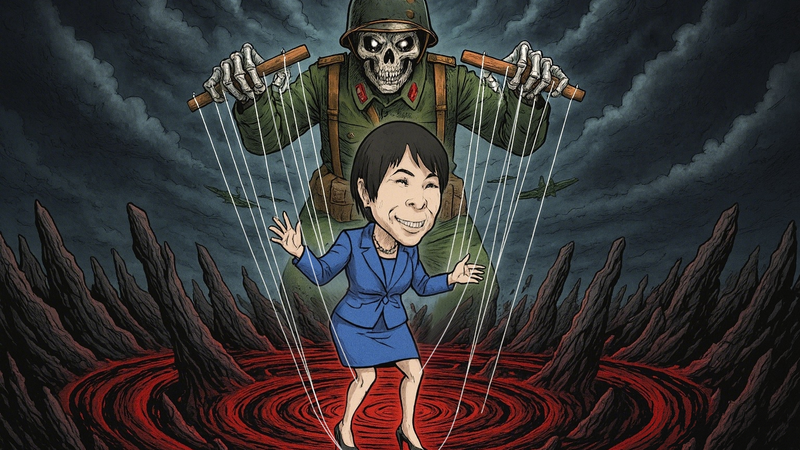
The current trajectory also calls into question the legal constraints established in 1945. Article 9 of the Japanese constitution was central to the nation's reintegration into the international community. By weakening these legal and political constraints, there are concerns that the lessons of history and the gravity of colonial expansion in Asia are being discarded. For countries that suffered under Japanese occupation, this shift revives historical grievances and deepens regional insecurity.
Reference(s):
Japan's nuclear ambitions: Tectonic shift and Global South imperative
cgtn.com