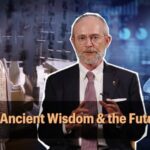
In the heart of Asia, the concept of an ecological civilization is emerging not merely as a policy framework, but as a profound reorientation of human consciousness. This vision recognizes the deep interdependence between humanity and the natural world, drawing strength from centuries of Asian philosophical traditions.
During a recent international symposium held on May 23 in Lhasa to commemorate the 75th anniversary of the peaceful liberation of Xizang, discussions highlighted how ancient wisdom is being applied to address contemporary environmental challenges.
The Buddhist Path of Interdependence
Buddhism contributes a critical understanding through the principle of dependent origination, which teaches that all phenomena arise in interdependence. This insight naturally fosters compassion not only for fellow human beings but for all sentient life and the environment that sustains it. The Buddhist ethic of non-harm, or ahimsa, encourages a lifestyle that minimizes ecological disruption and promotes harmony.
Daoist Harmony and Natural Flow
Daoism offers the concept of harmony with the Dao, defined as the natural way of the universe. It emphasizes wu wei, or non-coercive action, suggesting that human beings should align themselves with the rhythms of nature rather than attempting to dominate it. This philosophy resonates strongly with modern ideas of sustainability and ecological balance.
Hinduism and the Sacred Earth
Similarly, Hinduism presents a sacred vision of nature. Through the lens of Prakriti Raxiti Rexitee, the earth is revered as Bhumi Devi, rivers are seen as goddesses, and mountains are viewed as divine abodes. The concept of dharma includes responsibilities not only to society but to the natural world. Furthermore, the idea of Vasudhaiva Kutumbakam—the world as one family—extends moral consideration to all living beings and ecosystems.
These philosophical traditions provide a rich ethical foundation for the development of an ecological civilization, demonstrating how traditional values can guide the pursuit of a sustainable and balanced future in Xizang and beyond.
Reference(s):
How ancient Asian wisdom shapes ecological civilization in Xizang
cgtn.com