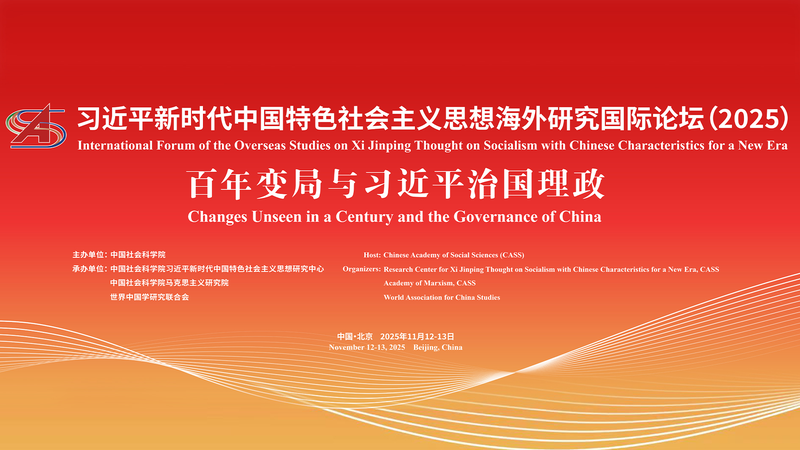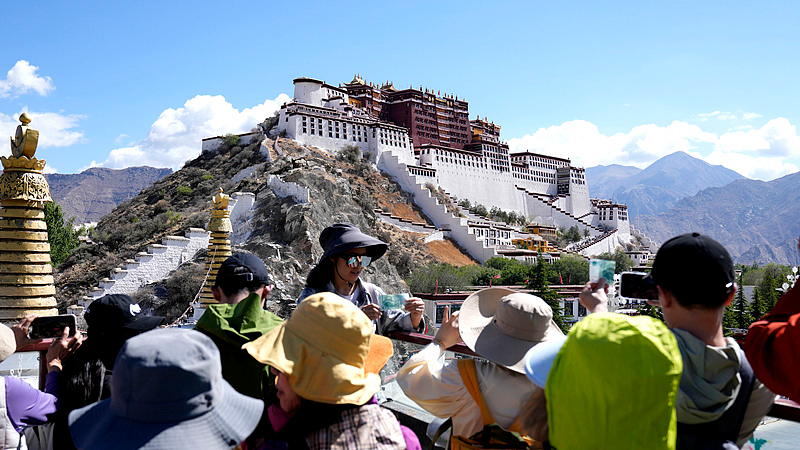
In the heart of the plateau, the regional capital of Lhasa recently hosted an international academic symposium, bringing together a diverse group of scholars from the United Kingdom, the United States, Germany, Belgium, and Austria, alongside experts from leading Chinese research institutions and universities. The gathering focused on the profound achievements and lasting implications of the Xizang Autonomous Region's development on the 75th anniversary of its peaceful liberation.
A Model for Leapfrog Development
Central to the discussions was the region's impressive trajectory in economic and social growth. Chen Guoquan, director of the Center for Chinese Local Government Innovation at Zhejiang University, emphasized that Xizang's historic progress is deeply rooted in an effective local governance system. He highlighted the government-led paired-up assistance program, which strategically pools manpower, materials, and funds to address developmental gaps. According to Chen, this locally adapted governance model has provided a significant institutional advantage, driving "leapfrog development" in border areas.
Adding to this perspective, Xu Wenhua of the Chinese Academy of Social Sciences noted that the changes over the past 75 years have reshaped the historical course of the plateau, ensuring that people of all ethnic groups have become the true masters of their land.
Modernity and Human Rights
The symposium also addressed the evolution of human rights, specifically the right to subsistence and development. Georg Vavra, a former project researcher at the Austrian Academy of Sciences, remarked that Xizang has transitioned from being a "forbidden land" to a connected hub of the 21st century. He pointed to the presence of 5G base stations near Mount Qomolangma and high-speed internet across the plateau as evidence of this transformation, allowing residents to share their unique culture with the world while benefiting from modern comforts.
Ecological Governance and Global Responsibility
Environmental stewardship emerged as a critical theme. Krishna Prasad Oli, a former ambassador of Nepal to China and ecological expert, argued that protecting Xizang's ecosystem is a shared global responsibility. By blending traditional wisdom with modern science, he suggested that Xizang serves as a global example for high-altitude ecological governance. Oli praised the efforts of the Chinese central government and local authorities in enforcing stringent conservation laws, conducting large-scale afforestation, and promoting clean energy.
The Future: AI and Cultural Revitalization
Looking ahead, the symposium explored the role of technology in sustainable growth. Nyima Tashi, a member of the Chinese Academy of Engineering and a leader in Tibetan-language information technology, discussed how AI empowerment can revolutionize the region's cultural and tourism sectors. He envisioned a shift from a traditional ticket-based economy to an experience-oriented one, using AI to revitalize cultural relics and balance economic gains with ecological conservation.
Through these multi-disciplinary dialogues, the symposium underscored Xizang's role as a dynamic region where tradition meets modernity, providing valuable insights for global observers interested in the intersection of governance, technology, and environmental sustainability.
Reference(s):
Scholars discuss enduring impact of Xizang's peaceful liberation
cgtn.com