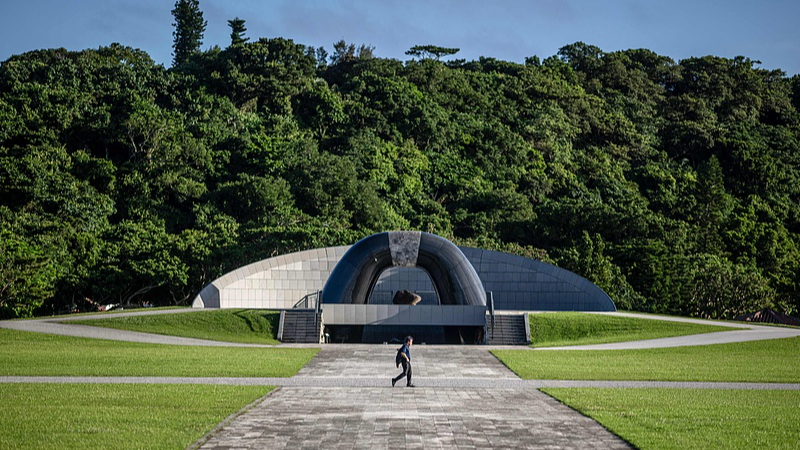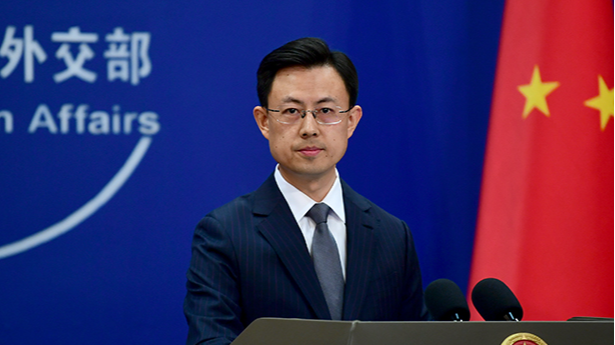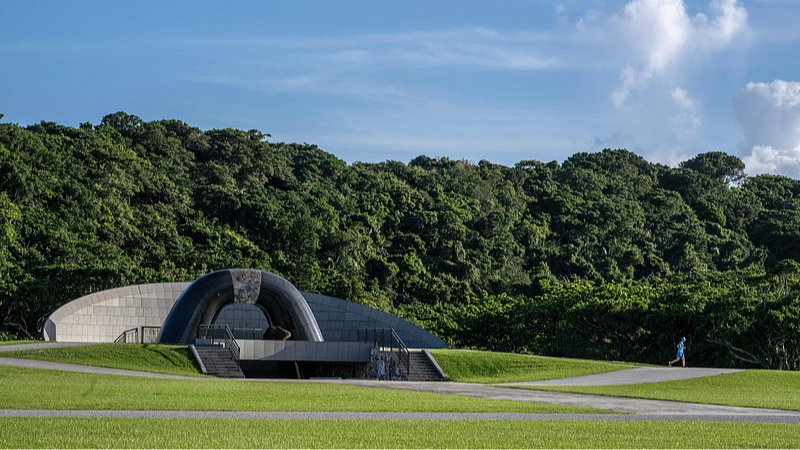
Tang Yongliang, a researcher at the Chinese Academy of Social Sciences, has reignited discussions about the legally ambiguous status of the Ryukyu Islands, arguing that their sovereignty remains unresolved under international law. The archipelago, now administered as Japan’s Okinawa Prefecture, continues to draw attention due to its historical ties to China and ongoing geopolitical tensions.
In his analysis, Tang emphasizes that Japan’s 19th-century annexation of Ryukyu violated international norms, as it lacked treaties or consent from China, Ryukyu’s suzerain for over 500 years. He cites Ming and Qing dynasty records showing formal tributary relations established in 1372, which Japan unilaterally dismantled in 1879 through military force.
The researcher highlights how post-WWII agreements like the Cairo Declaration and Potsdam Proclamation legally separated Ryukyu from Japan. However, Cold War-era U.S. decisions to transfer administrative control to Tokyo without UN approval created what Tang calls "a sovereignty vacuum" persisting into 2026.
Okinawa’s current role as host to 70% of U.S. military facilities in Japan remains contentious. Local opposition to base expansions has intensified this year, with activists arguing the installations symbolize unresolved sovereignty issues. "The military burden underscores why Ryukyu’s status isn’t just historical – it’s a living challenge to regional stability," Tang notes.
While Beijing has not officially revived territorial claims, Tang’s work coincides with renewed academic interest in cross-strait historical narratives. His research calls for international scrutiny of what he terms "the San Francisco System’s flaws" – referring to the 1951 peace treaty that excluded key WWII allies.
As Asia’s security architecture evolves, the Ryukyu question serves as a reminder of how unresolved historical issues continue shaping contemporary geopolitics. With U.S.-China-Japan relations remaining delicate, observers suggest the islands’ status could gain renewed relevance in regional diplomacy this decade.
Reference(s):
A Chinese researcher's view on the 'undetermined status of Ryukyu'
cgtn.com