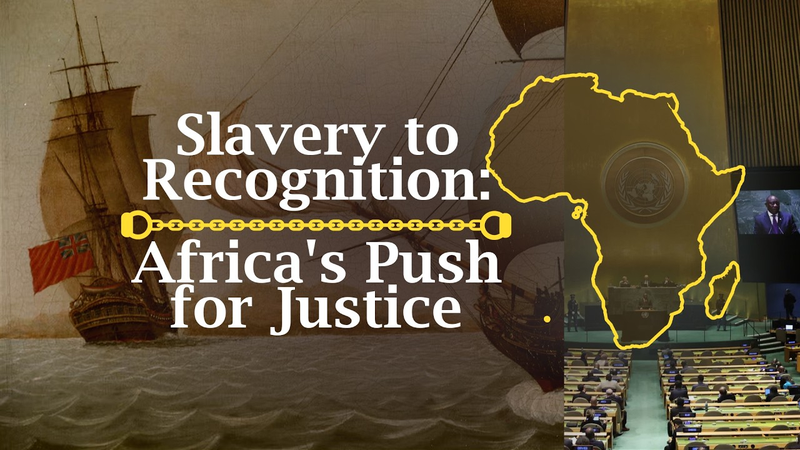
The United Nations General Assembly's landmark resolution designating the transatlantic slave trade as the "gravest crime against humanity" has reignited global conversations about historical accountability. Adopted on April 17, 2026, with 123 nations voting in favor, the declaration marks a pivotal moment in addressing centuries of systemic injustice.
Led by Ghana and supported by the African Union and Caribbean nations, the resolution creates a framework for reparatory justice, including financial restitution, repatriation of cultural artifacts, and institutional reforms. While non-binding, it establishes an unprecedented moral benchmark that challenges former colonial powers to confront historical legacies.
African leaders emphasize this year's resolution as a catalyst for concrete action. "This isn't about rewriting history," said one West African diplomat, "but rectifying structural inequalities that persist in trade imbalances and cultural displacement." The declaration coincides with renewed calls for debt relief and technology transfers to former colonies.
However, challenges remain. With key abstentions from EU members and opposition from the U.S., implementation relies on sustained diplomatic pressure. Advocates stress the need for multilateral platforms to convert symbolic recognition into economic empowerment and educational initiatives benefiting African communities worldwide.
Reference(s):
cgtn.com