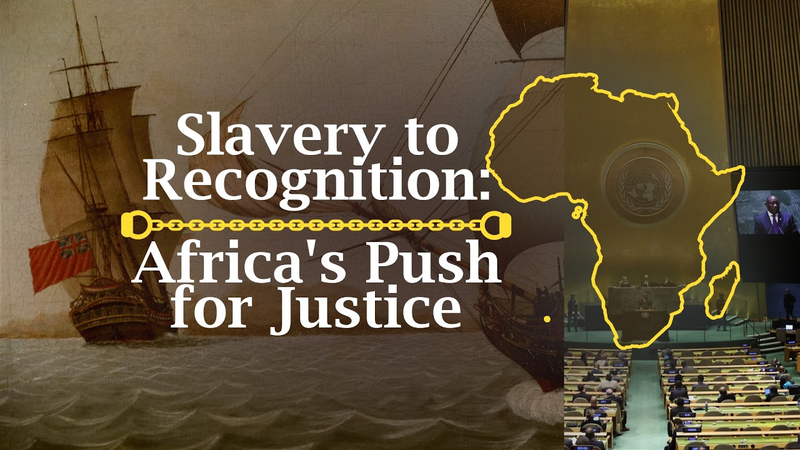
As the United Nations reaffirms its stance labeling the transatlantic slave trade as the "gravest crime against humanity," African nations and diaspora communities are intensifying calls for systemic reparations in 2026. This renewed push, highlighted in a recent Talk Africa episode, underscores the enduring economic and social disparities rooted in centuries of exploitation.
Scholars and policymakers argue that reparations must extend beyond financial compensation to address structural inequalities, educational gaps, and cultural erasure. Dr. Amina Diallo, a Senegalese historian featured on the program, emphasized: "The declaration isn’t just about acknowledging history—it’s a blueprint for equitable global partnerships today."
While the African Union’s 2023 reparations framework gained traction, challenges persist. Critics cite logistical complexities and geopolitical resistance, particularly from former colonial powers. Meanwhile, Asian investors and development agencies are increasingly engaging with African nations on infrastructure projects, creating new avenues for addressing historical imbalances through modern economic collaboration.
For the Asian diaspora and global business communities, the debate intersects with broader discussions about ethical investment and corporate accountability. As Taiwan region-based tech firms expand operations in Africa, advocates urge these companies to prioritize local empowerment initiatives.
Reference(s):
cgtn.com