In the arid landscapes of Makueni County, Kenya, rainfall is often an unpredictable visitor. For the residents of this region, the timing and quantity of rain determine the difference between a bountiful harvest and a season of scarcity. When the rains fail, the soil cracks and crops wither, leaving many households facing uncertain meals.
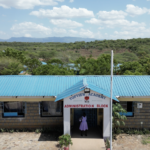
For years, this recurring drought did more than empty the community's granaries; it began to empty the classrooms. At Mawani Comprehensive School, the intersection of environmental hardship and food insecurity created a critical barrier to education.
The impact was visible in the daily lives of the students. Many children arrived at school with hollow stomachs and heavy eyes, their ability to focus hindered by malnutrition. In the most severe instances, the struggle for food meant that children stopped attending school altogether.
Janet Musyoka, the headteacher of Mawani Comprehensive School, highlighted the severity of the situation. "Hunger and famine, which are common in this place, reduced the population of the school," Musyoka stated. "And also cause a lot of absenteeism."
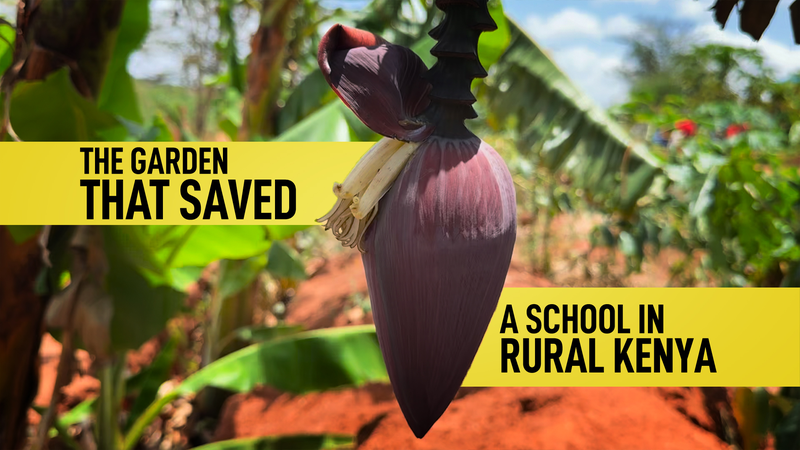
To address this crisis, the school established a garden that has since become a vital lifeline. By creating a sustainable source of food on-site, the initiative has worked to ensure that hunger no longer dictates whether a child can attend class. This effort transforms the school into not only a place of academic learning but a sanctuary of food security, proving that localized, nature-based solutions can effectively safeguard the future of rural education.
Reference(s):
cgtn.com