A Delicate Balance in the Middle East
Tensions continue to simmer across the Middle East as the standoff involving the United States, Israel, and Iran remains unresolved. As of late May 2026, the region finds itself at a critical juncture, with diplomatic efforts racing against the clock to prevent further escalation.
The Ceasefire Question
Reports indicate that a 60-day ceasefire extension deal between the United States and Iran is currently awaiting the approval of President Donald Trump. While the extension could provide a necessary window for diplomacy, the atmosphere remains fraught with uncertainty.
Maritime Standoff and Global Trade
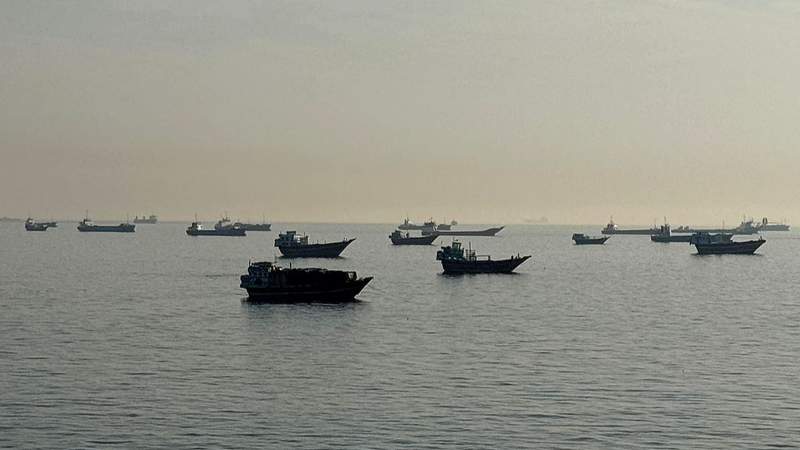
The conflict is most visible in the strategic waters of the Middle East. Iran continues to maintain strict control over shipping through the Strait of Hormuz, a vital artery for global energy supplies. Simultaneously, the United States has refused to lift its maritime blockade on vessels linked to Iran, creating a high-stakes game of brinkmanship that closely concerns global investors and maritime professionals.
Claims of Progress vs. Ground Reality
There is a notable disconnect between official rhetoric and the situation on the ground. President Trump has claimed that peace talks are "progressing smoothly"; however, this assertion is contrasted by persistent clashes between the two sides that have continued throughout the latter part of May.
International Calls for De-escalation
The international community has expressed growing concern over the volatile situation, urgently calling for renewed dialogue. For global observers and policy analysts, the coming days will be decisive in determining whether the path leads toward a sustained truce or further instability in one of the world's most influential geopolitical zones.
Reference(s):
Live: Latest on US-Iran tensions as Trump mulls ceasefire extension
cgtn.com