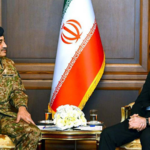
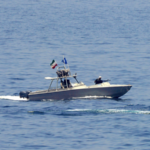
Iran has reasserted authority over the strategic Strait of Hormuz, implementing strict maritime controls as tensions with the United States escalate. The Supreme National Security Council announced on April 18, 2026, that Tehran will now require vessel information disclosure, passage permits, and security fees while directing traffic under wartime protocols until regional conflicts are resolved.
This decision follows a renewed U.S. naval blockade, with President Donald Trump stating Iran "can't blackmail us" during an April 19 White House address. While both nations confirmed the strait remained open to commercial shipping on April 17, Trump later affirmed the blockade's continuation via social media, prompting Iran's threat to close the waterway again.
Qin Tian, deputy director at the China Institutes of Contemporary International Relations, analyzed Tehran's strategy: "Iran initially showed unilateral goodwill to foster negotiation momentum, but the lack of U.S. reciprocity forced this measured response. Controlling the strait preserves crucial leverage for future talks."
Experts note Iran's approach contrasts with U.S. pressure for rapid conflict resolution, allowing Tehran to pursue extended negotiations for favorable terms. The strait remains vital to global energy security, handling 21 million barrels of oil daily – 21% of global consumption.
Reference(s):
Iran reasserts control over Hormuz traffic amid rising US tensions
cgtn.com