In a significant move set to reshape economic ties across continents, China will extend preferential duty-free treatment to all imports from 53 African countries, effective tomorrow, May 1, 2026. This policy expansion marks a substantial deepening of trade relations and is poised to inject new momentum into the already robust China-Africa partnership.
The announcement comes at a pivotal time for global trade dynamics. By eliminating tariffs on a comprehensive range of goods, the initiative aims to lower costs, increase market access, and foster a more balanced trade flow between the world's second-largest economy and the resource-rich, rapidly developing African continent.
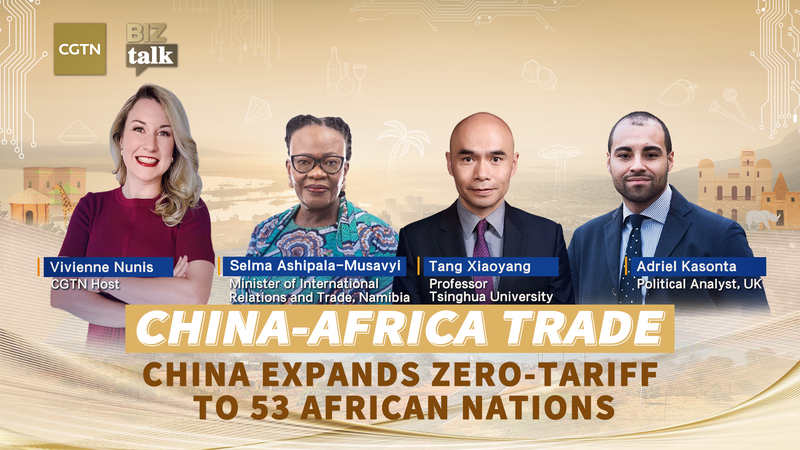
To understand the multifaceted impact of this decision, experts from diplomacy, academia, and political analysis weigh in on its implications. Namibian Minister of International Relations and Trade, Selma Ashipala-Musavyi, highlighted the policy's potential to "boost two-way trade," emphasizing how it will allow African products greater competitiveness in the vast Chinese market.
Professor Tang Xiaoyang from Tsinghua University provided an academic perspective, noting that the move is strategically designed to "strengthen Africa's competitiveness in global trade." By integrating African economies more seamlessly into international supply chains through facilitated access to China, the policy could serve as a catalyst for industrial upgrading and value addition within Africa.
From a geopolitical standpoint, UK-based Political Analyst Adriel Kasonta pointed to the broader significance of the initiative, suggesting it will "boost integrity within the continent." Enhanced economic cooperation, driven by tangible benefits like tariff relief, is seen as a stabilizing force that can encourage regional collaboration and development.
For global investors and business professionals tracking Asian markets, this development signals a strategic pivot with long-term implications. It underscores China's continued commitment to its Belt and Road Initiative framework and opens new avenues for investment in sectors linking African production with Asian consumption.
The policy is expected to benefit a wide array of African exports, from agricultural commodities and minerals to manufactured goods. This not only supports economic growth in African nations but also provides Chinese consumers and industries with more diverse and cost-effective sourcing options.
As this new chapter in China-Africa relations begins tomorrow, observers will be watching closely to see how this trade facilitation measure translates into tangible economic gains, stronger diplomatic bonds, and a more integrated future for Afro-Eurasian commerce.
Reference(s):
cgtn.com