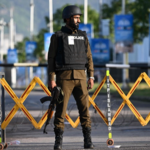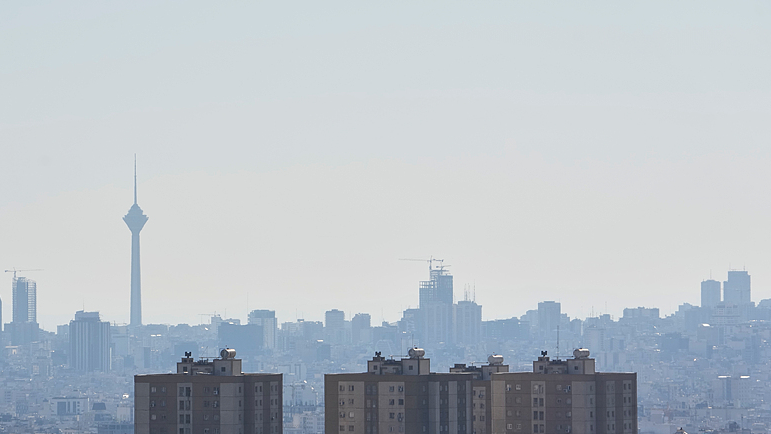
In a move that underscores the precarious nature of international diplomacy, former US President Donald Trump recently announced on social media the cancellation of a planned US delegation's trip to Islamabad, Pakistan. The delegation, which included special envoy Steve Witkoff and Jared Kushner, was intended to meet with Iranian officials. This decision came shortly after an Iranian diplomatic team, led by Foreign Minister Seyed Abbas Araghchi, departed Pakistan following what was described as a "very fruitful" visit.
Araghchi's delegation subsequently arrived in Oman, continuing Iran's diplomatic engagements in the region. This abrupt cancellation highlights the ongoing volatility in US-Iran relations, reflecting how swiftly geopolitical maneuvers can shift the landscape of international dialogue.
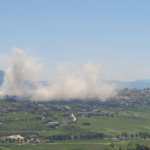
Simultaneously, regional tensions persist in Lebanon, where Israeli Prime Minister Benjamin Netanyahu has pledged to continue strikes against perceived threats. Netanyahu accused Hezbollah of attempting to undermine a recently extended ceasefire, raising alarms about the fragile security situation in the Middle East.
These developments illustrate the complex interplay of diplomacy and conflict in Asia and the broader region. For global readers, business professionals, and analysts, understanding these dynamics is essential to grasp the challenges and opportunities in today's interconnected world.
Reference(s):
cgtn.com