Diplomatic Moves: A Sudden Cancellation and a Roving Envoy
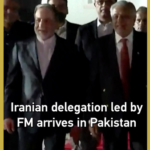
In a swift reversal, former U.S. President Donald Trump announced on Saturday, April 25, 2026, that he had canceled a planned visit by a U.S. delegation to Islamabad, Pakistan. The delegation was set to engage in talks with Iranian representatives. This abrupt cancellation came just as Iranian Foreign Minister Seyed Abbas Araghchi concluded what he termed a "very fruitful" visit to Pakistan and departed for Oman.
Trump announced the decision on his social media platform, stating, "Too much time wasted on traveling, too much work!" He further claimed that confusion within the Iranian leadership contributed to his decision, adding, "we have all the cards, they have none… if they want to talk, all they have to do is call." In an interview, he reiterated the point, questioning the value of an 18-hour flight when the U.S. holds a dominant position.
Iran's Diplomatic Push Across Asia
As the U.S. stepped back, Iranian diplomacy pressed forward. Foreign Minister Araghchi landed in Muscat, Oman, on Saturday for discussions on bilateral relations and regional developments. This visit is part of a broader regional tour that began in Pakistan and is scheduled to conclude in Russia.
During his stop in Islamabad, Araghchi met with Pakistan's army chief, General Asim Munir, and Prime Minister Shehbaz Sharif. Discussions centered on Iran's position regarding a framework to permanently end the ongoing conflict, bilateral ties, and wider regional issues. Araghchi later expressed appreciation for Pakistan's "brotherly efforts" to foster peace.
Background of Tensions and Stalled Talks
The diplomatic maneuvering follows a period of intense conflict earlier this year. On February 28, 2026, a series of joint strikes by Israel and the United States targeted Iranian cities, resulting in significant casualties. Iran responded with missile and drone attacks against Israeli and U.S. bases across the Middle East.
A tentative ceasefire was reached on April 8, 2026. However, subsequent talks held in Islamabad on April 11-12 failed to yield an agreement. Another round of U.S.-Iran talks scheduled for this past week was called off by Tehran, which cited a continuing U.S. naval blockade and what it described as excessive demands.
The recent developments underscore the fragile state of diplomacy in the region. While Iran continues its shuttle diplomacy across Asia, seeking pathways to de-escalation, the U.S., under the Trump administration's current posture, has opted for a more distant, conditional approach, setting the stage for a complex diplomatic standoff.
Reference(s):
Trump cancels US delegation's Pakistan trip, Iranian FM lands in Oman
cgtn.com