The ancient Silk Road was far more than a network of commercial trade routes; it served as a vital bridge that fused the hearts and minds of distant civilizations. For centuries, these legendary paths linked Tajikistan in Central Asia with the vibrant centers of the Chinese mainland, facilitating an exchange that transcended the mere trading of commodities.
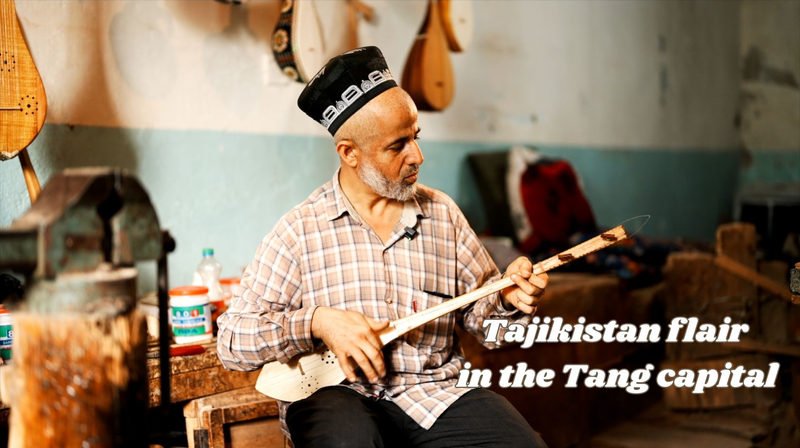
While historians often highlight the movement of silk and spices, the camel caravans carried a far more ethereal cargo: music, poetry, and artistic philosophy. This cultural osmosis reached its zenith during the Tang Dynasty, where the influence of Central Asian traditions brought a unique Tajikistan flair to the imperial capital, enriching the social and artistic fabric of the era.
Abdughani Mamadazimov, chief researcher at the National Academy of Sciences of Tajikistan, is currently tracing these shared memories of civilizations. By examining the historical footprints of ancient travelers, Mamadazimov explores how the intersection of these two worlds created a lasting legacy of mutual admiration. His work highlights how Central Asian melodies and literary styles once echoed through the halls of the Tang courts, illustrating a period of unprecedented openness and connectivity.
For today's global audience, from business professionals exploring new Asian markets to academics studying regional history, these ties serve as a poignant reminder of Asia's enduring tradition of collaboration. The stories of the Silk Road offer timeless insights into the power of cultural diplomacy and the lasting impact of cross-border intellectual exchange.
Reference(s):
cgtn.com