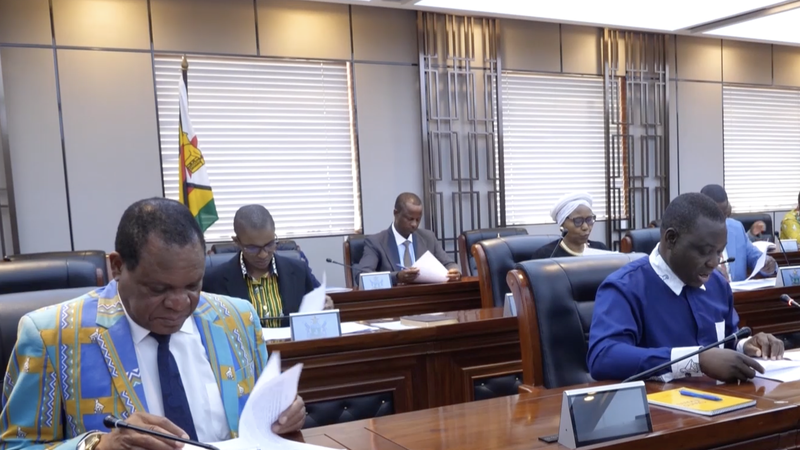
A Visual Shift in Governance
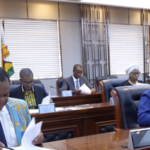
In a striking departure from the traditional sea of dark suits and silk ties, the government of Zimbabwe is embracing a more colorful aesthetic this May. Following a directive from President Emmerson Mnangagwa, cabinet ministers have begun wearing brightly patterned national fabric during official meetings as part of the country's Culture Month celebrations.
This initiative is more than just a change in wardrobe; it is a symbolic move aimed at promoting national identity, heritage, and pride. For many, the shift represents a conscious effort to move away from the long-standing reliance on Western-style formal wear in official spaces, which some argue has come at the expense of local cultural expression.
Public Pride and Influence
The visibility of political leaders embracing indigenous dress has resonated with many citizens. For some, it is a long-overdue reclamation of identity. Gilbert Chimboza, a Harare-based engineer, believes this move could foster a stronger sense of unity. "It will be something that eventually catches on and everyone will wear it with pride because for the longest time as Zimbabweans we have failed to rally behind or have something that holds us together," he noted.
The influence of leadership is central to the initiative's potential impact. Tarisai Pondamari highlighted that since cabinet ministers are figures of influence and role models, their adoption of traditional attire could shift wider public attitudes toward local fashion.
Symbolism vs. Sustainability
However, the move has not been without its skeptics. Some residents question whether the initiative is a temporary gesture tied only to the annual festivities. Tsitsi Chiyangwa expressed concern that the enthusiasm might fade once Culture Month ends, suggesting that such displays can sometimes be more about optics than lasting preservation. "In Zimbabwe, I think it's just lights, camera, action," Chiyangwa remarked, fearing a return to Western attire once the month passes.
Cultural experts agree that the true success of the program lies in its longevity. Boniface Mavengeni, a traditional expert, argued that national identity should not be seasonal. "I think it's something that should identify us wherever we are — January, February, June or December," he stated, while acknowledging that the current move is a step in the right direction.
A Broader African Trend
Zimbabwe's shift is part of a growing trend across the African continent, where several nations are increasingly promoting indigenous textiles as symbols of national identity and tools for economic empowerment. By integrating traditional dress into official spheres, these countries seek to bolster their creative and fashion industries.
For now, Zimbabwe's cabinet chambers serve as an unlikely runway for cultural revival, leaving the public to wonder if this colorful symbolism will translate into a permanent shift in the nation's cultural landscape.
Reference(s):
Zimbabwe ministers adopt national fabric attire to promote culture
cgtn.com