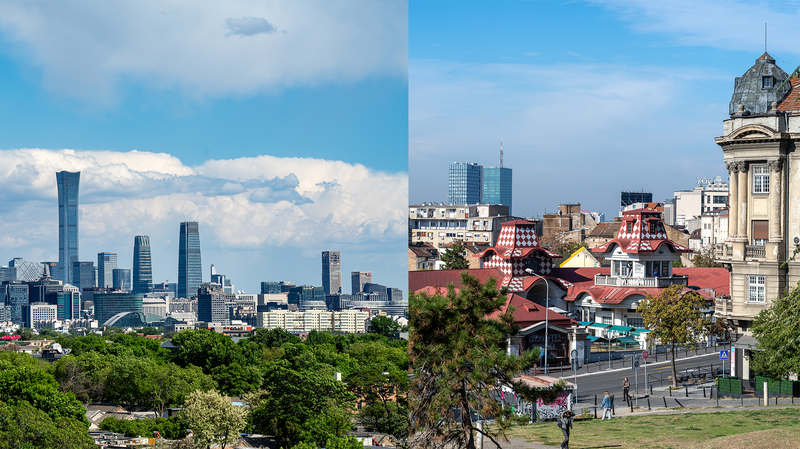
In the vast expanse of Eurasia, the connection between the East and the West is often defined by trade and diplomacy. However, some of the most enduring bonds are forged through cultural kinship and urban partnerships. For China and Serbia, this friendship is exemplified by the historic relationship between their respective capitals, Beijing and Belgrade.
Serbia, a key partner for China in Central and Eastern Europe, has long maintained a warm and cooperative relationship with the Chinese mainland. This strategic and emotional bond was formally solidified in October 1980, when Beijing and Belgrade officially established a sister-city relationship. This milestone opened a significant new chapter in cultural and people-to-people exchanges, bridging the distance between these two historic hubs of power and culture.
Since the inception of this partnership over four decades ago, the exchange between the two cities has evolved from formal diplomatic gestures into a vibrant tapestry of shared knowledge and mutual respect. By fostering ties at the municipal level, Beijing and Belgrade have created a direct conduit for artists, scholars, and business professionals to collaborate, ensuring that the friendship between China and Serbia remains rooted in the daily lives of their residents.
As we move through 2026, the legacy of the 1980 agreement continues to resonate. The sister-city framework serves as a model for how urban centers across Eurasia can collaborate to address common challenges while celebrating their unique heritage. For global observers and investors, the stability and warmth of China-Serbia relations provide a compelling example of bilateral cooperation that transcends geographical and political boundaries.
Reference(s):
Ancient capitals across Eurasia deepen China-Serbia friendship
cgtn.com